Profitec Portafilter Handle Replacement Guide
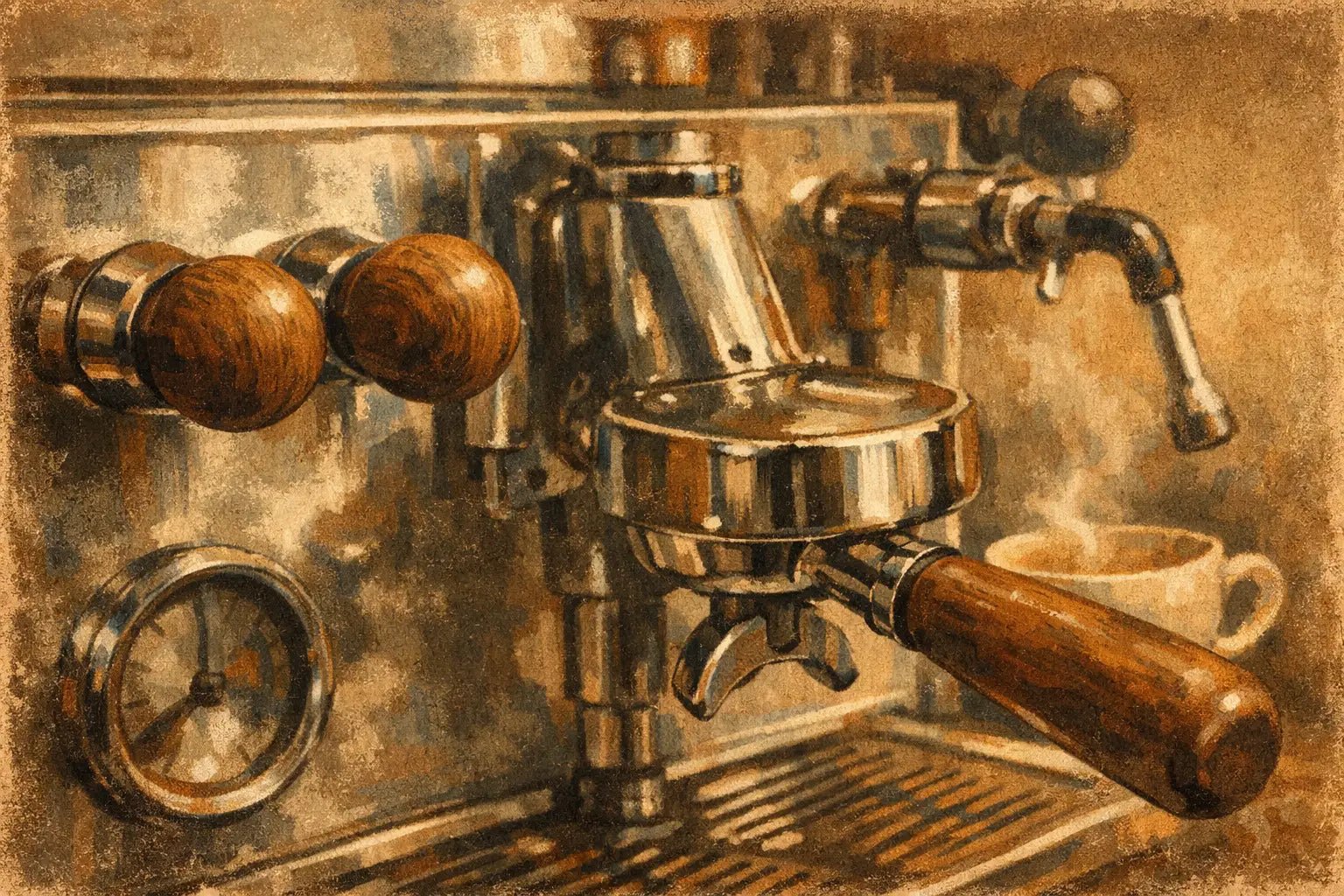
A Profitec portafilter handle replacement is a small change you feel in every shot. The handle is where your hand meets the machine during dosing, tamping, locking in, and knocking out the puck. When the original plastic handle feels worn, loose, or simply out of place beside a polished stainless Profitec machine, a well-made replacement can bring back a more confident, personal feel.
The key is not choosing wood by color alone. A replacement handle has to match your specific portafilter connection, sit straight, stay secure under normal use, and suit the way you work at the espresso station. Here is what to check before ordering and how to get the most from the upgrade.
Start With Portafilter Compatibility
Profitec is closely associated with E61-style machines, but compatibility should never be assumed from the brand name alone. Portafilter bodies can differ by machine model, production period, and whether you are replacing the handle on a single-spout, double-spout, or bottomless portafilter. The external appearance can be nearly identical while the threaded connection is not.
First, inspect the existing handle and portafilter body. Most removable handles attach through a threaded stud or threaded opening at the end of the portafilter. Determine whether the screw thread is on the handle or inside the handle, then note the diameter and thread pitch. A caliper and thread gauge provide the clearest answer, but clear photos and careful measurements can also help a maker verify fitment.
Do not force a handle that starts crooked, binds after a turn or two, or leaves a visible gap at the portafilter body. Cross-threading can damage the portafilter itself, which is far more expensive and frustrating than taking a moment to confirm the specifications. If you own an older or uncommon Profitec setup, send photos of the connection and the machine model when requesting a custom replacement.
Why the model name still matters
A Profitec Pro 400, Pro 500, Pro 600, Pro 700, GO, or older machine may use portafilters that look familiar to other E61 owners, yet a handle should be selected for the actual portafilter rather than a general category. Aftermarket bottomless portafilters deserve the same attention. Their handle attachment may not match the original Profitec double-spout version.
This is also why “fits E61” should be treated as a starting point, not a final fitment claim. A properly matched replacement is worth more than a broadly labeled one that requires improvised adapters or excessive tightening.
Choosing a Profitec Portafilter Handle Replacement
Once the thread connection is confirmed, the fun part begins: choosing the shape, wood species, and finish that make sense for your coffee bar. A handcrafted wooden handle changes the visual balance of a machine immediately, especially on a stainless-steel Profitec. It can also make a practical difference when you pull several shots in a session.
A longer handle generally gives a little more leverage when locking in the portafilter, while a shorter profile can feel tidy and controlled on a compact counter. A rounded shape is comfortable for a relaxed grip. A more tapered or faceted profile can offer a more defined hand position, which some home baristas prefer during repeated workflow steps.
Wood selection is partly aesthetic and partly about how the piece will age. Walnut brings a deep, classic contrast against polished metal. Olive wood has expressive grain and a lighter, warmer character. Maple or lighter hardwoods can make a dark machine setup feel cleaner and more contemporary. Since wood is a natural material, grain direction, tone, and small variations are features of a handcrafted part, not defects to be erased.
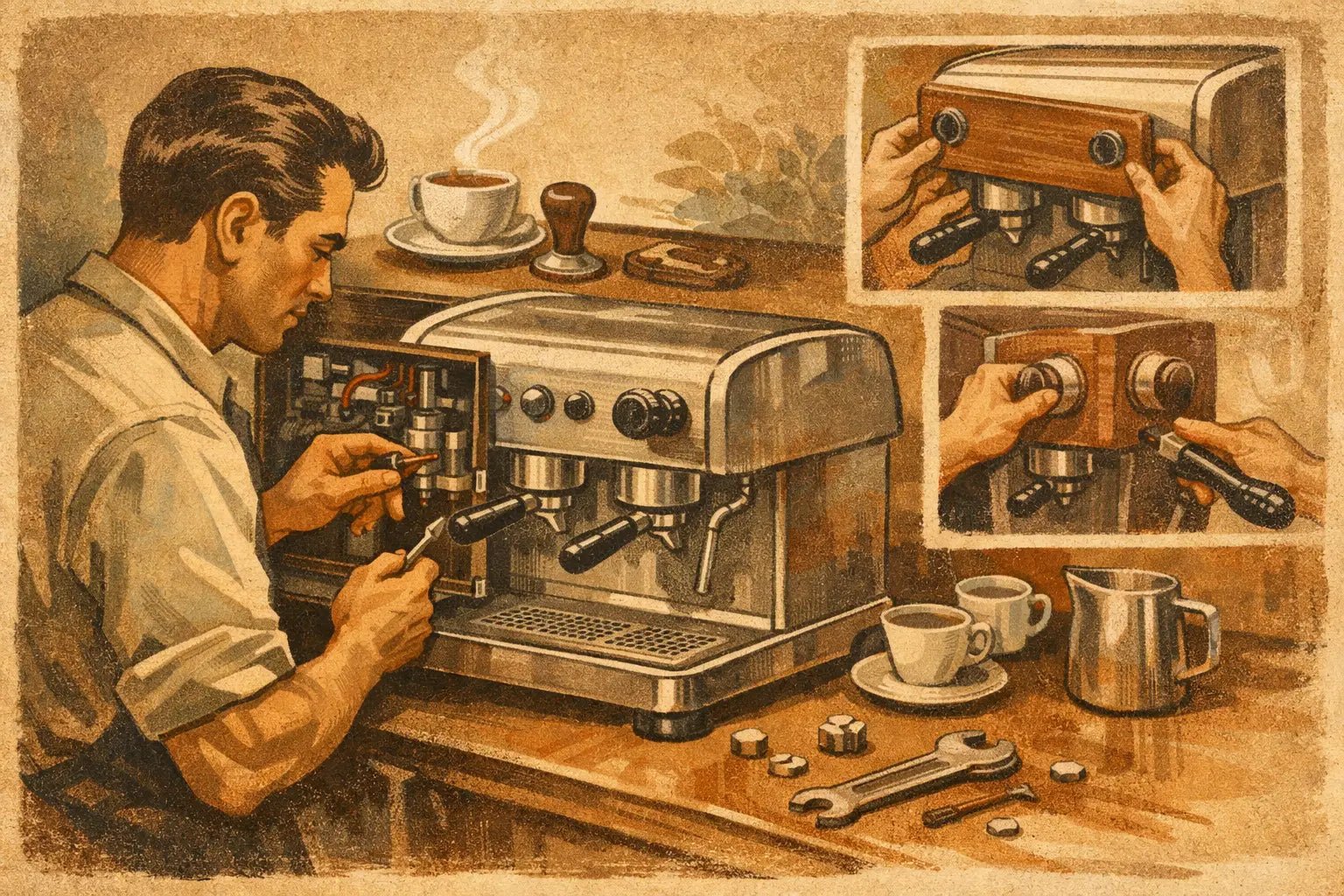
Consider matching the handle to other touchpoints rather than treating it as a standalone accessory. A portafilter handle paired with a matching steam knob, flow-control knob, tamper handle, or grinder accent can make a setup feel considered without becoming overly coordinated. Some owners prefer one consistent wood across the station; others intentionally combine woods for contrast. Both approaches work when the pieces are chosen with the machine’s metal finish and surrounding counter materials in mind.
Remove the Old Handle Without Damaging the Portafilter
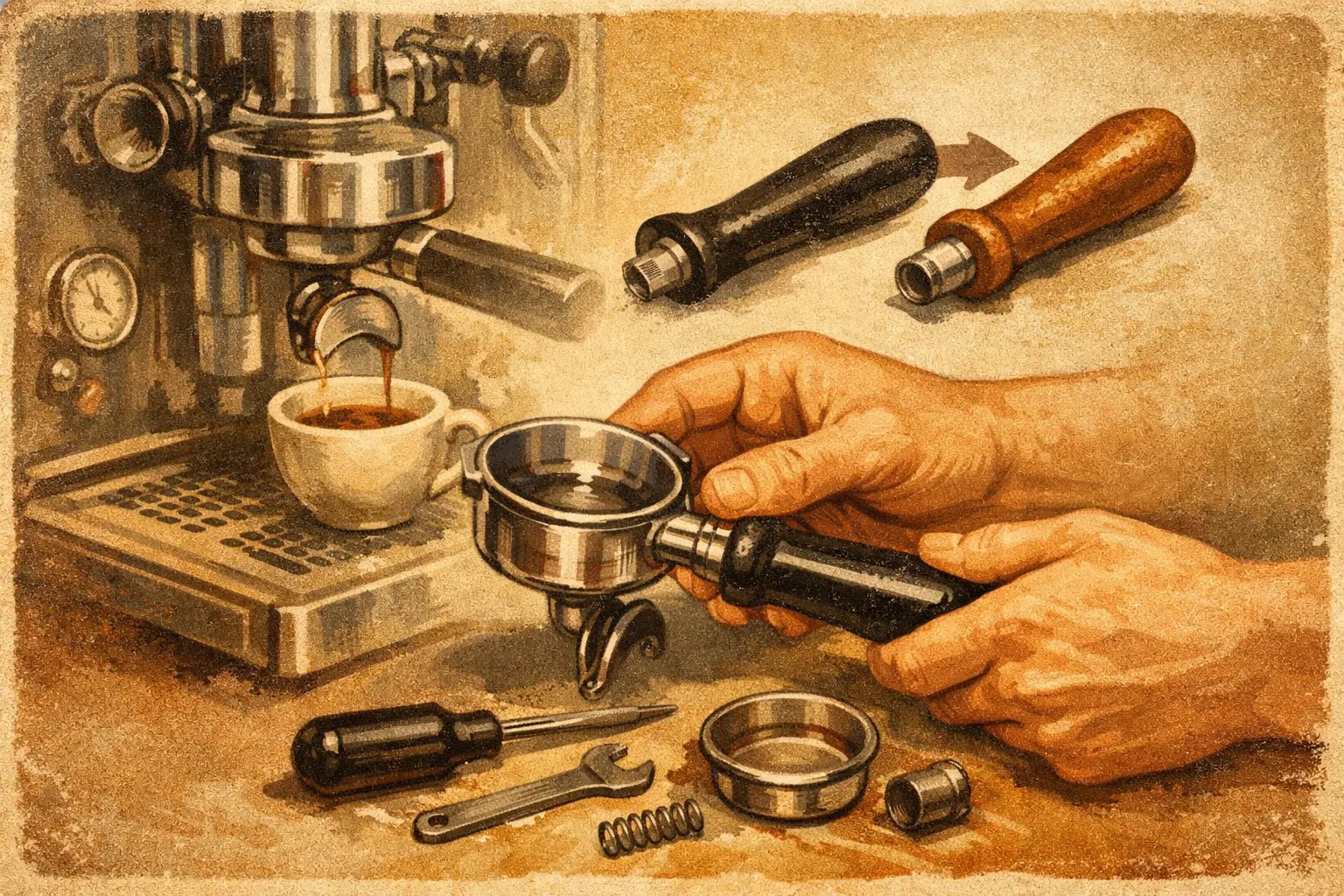
Replacement is usually straightforward, but it should be done with a cool, dry portafilter away from the machine. Wipe away coffee oils first so you can see the connection clearly. Hold the metal portafilter body firmly with a towel or a padded grip, then turn the existing handle in the direction needed to unthread it.
Avoid clamping the chrome-plated body directly in metal jaws. A scratched or compressed portafilter rim is not an upgrade. If the old handle is unusually tight, use controlled pressure rather than a sudden twist. Coffee residue can harden around the joint, and a little patience is safer than trying to overpower it.
Before fitting the new handle, inspect the threads for debris, stripped sections, or old adhesive. The new handle should thread in smoothly by hand. Turn it until it is snug and correctly aligned, but do not overtighten it. The goal is a secure connection with the handle positioned naturally, not maximum force on the threads.
If the handle includes a metal insert, the insert should sit flush and stable within the wood. A slight adjustment may be needed to get the final orientation right, depending on the portafilter design. When in doubt, stop before forcing the fit and verify the thread details.
Wood Handles Need Simple, Consistent Care
A good wood portafilter handle is made for regular espresso use, not for neglect. The biggest threats are prolonged water exposure, harsh cleaning chemicals, and heat cycling. None of these require complicated maintenance, but they do reward a few sensible habits.
After making coffee, wipe the handle with a soft dry or lightly damp cloth if it has picked up splashes. Do not soak it in a sink, put it through a dishwasher, or leave it resting in standing water. The metal portafilter can take a heavy cleaning routine; the wood handle should not be treated the same way.
Keep detergent, espresso cleaner, descaler, and sanitizer away from the finished wood whenever possible. If cleaner reaches it, wipe it off promptly and dry the surface. With time, the finish may benefit from a light refresh using an appropriate food-safe wood care product, but only after the handle is clean and completely dry. Apply sparingly, let it absorb as directed, then buff away any excess so the grip stays comfortable rather than slick.
Normal color change is part of owning real wood. A handle exposed to daylight and daily use can deepen in tone and develop a richer patina. That character is one reason many espresso enthusiasts choose wood over a factory plastic replacement.
When a Custom Handle Is the Better Choice
An off-the-shelf replacement is convenient when your portafilter thread and preferred style are already known. Custom work is the better route when you have an unusual thread, want a specific wood, need a particular handle length, or are trying to match existing accessories. It is also useful if your machine has become a centerpiece of a carefully built coffee station and you want the portafilter to look intentional from every angle.
At NepoCoffee, custom requests work best when they begin with the details: machine model, portafilter type, thread measurements, a photo of the connection, and your preferred wood or finish direction. That information helps avoid vague compatibility assumptions and gives the maker a clear path to producing a handle that belongs on your setup.
Can I replace only one handle on a double-spout portafilter?
Yes. The handle is independent of the spouts, so you can replace it while keeping the original double-spout assembly. Just confirm the handle connection on that specific portafilter body. If you also use a bottomless portafilter, check it separately rather than assuming both use the same thread.
Will a wooden handle affect espresso quality?
Not directly. The basket, dose, grind, puck preparation, temperature, pressure, and shot timing determine the coffee in the cup. A handle can improve comfort and give you a steadier, more enjoyable workflow, but it does not change extraction on its own.
Is a loose handle always a thread problem?
Not always. A loose feel can come from an incomplete thread engagement, a worn insert, damaged threads, or a handle that was not tightened into its correct final position. Inspect the connection before ordering a replacement, especially if the portafilter has been used heavily or modified in the past.
Your portafilter is one of the few espresso tools you hold every day. Choose a replacement that fits without compromise, feels right in your hand, and makes you want to walk over to the machine for one more shot.