Wooden Portafilter Handle: Worth It?
The first thing you feel on a portafilter is the handle. Before the shot runs, before the crema tells you anything, your hand already knows whether the tool feels right. A wooden portafilter handle changes that experience in a way plastic rarely does - not because it makes espresso taste better on its own, but because it adds comfort, balance, and a more intentional feel every time you lock in.
For home baristas who care about machine details, this is one of those upgrades that sits at the intersection of function and appearance. It is tactile. It is visible. And unlike a lot of accessories that live in a drawer, you use it constantly. That makes it worth choosing carefully.
Why a wooden portafilter handle stands out
A good wooden portafilter handle does two jobs at once. It gives your setup a warmer, more custom look, and it improves the feel of one of the most-handled parts in your espresso workflow.
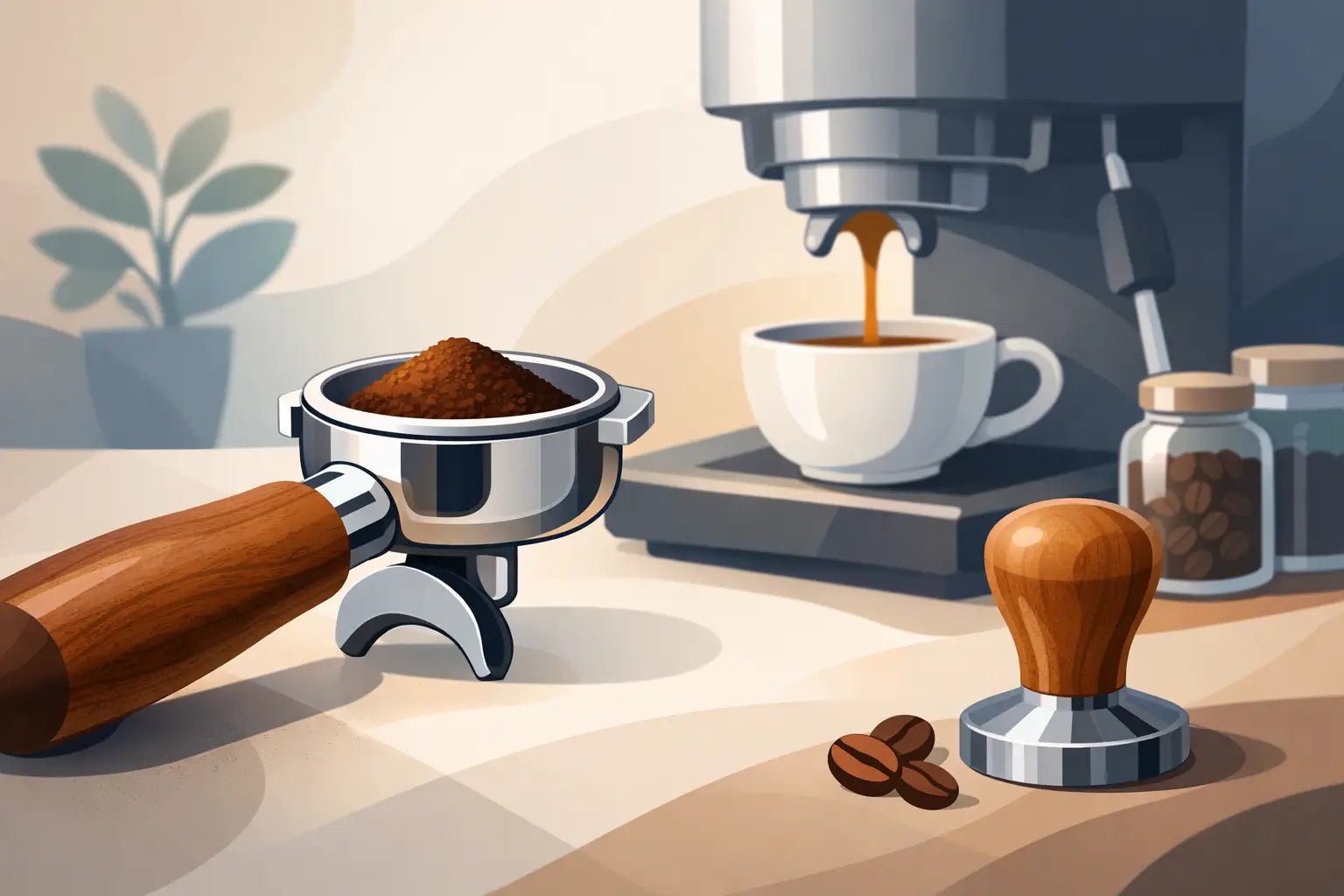
Wood has a different character than molded plastic or generic composite handles. It usually feels warmer in the hand, especially in cooler kitchens or early morning use. It can also offer a better sense of grip, depending on the finish and shape. Some people prefer a smooth polished surface, while others like a satin finish that feels a little more natural and less slick.
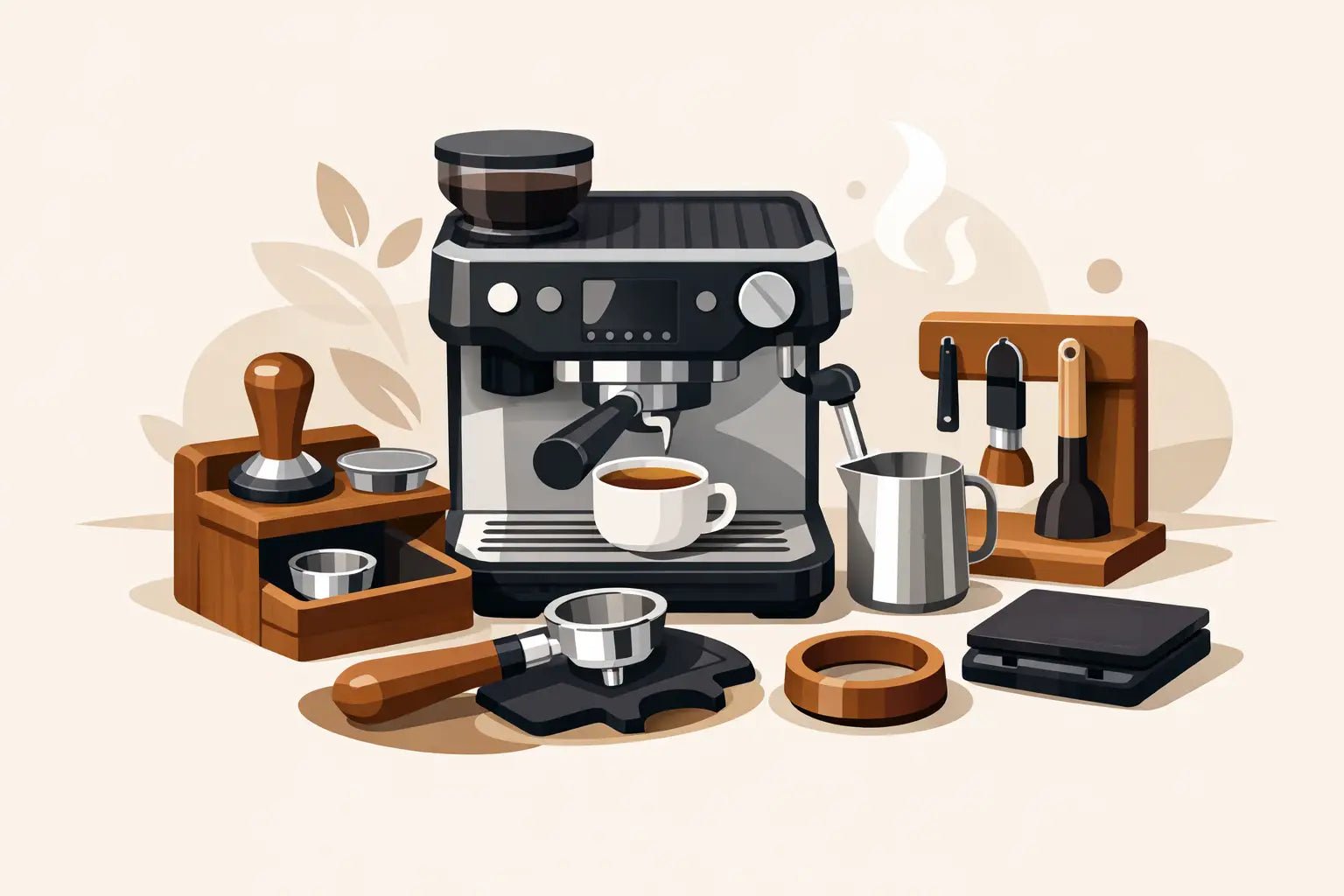
There is also the visual side, and for many prosumer owners that matters. If you have already invested in a machine from Breville, ECM, Lelit, Rocket, La Marzocco, Gaggia, Bezzera, or Profitec, a stock handle can start to look like the weakest aesthetic link. A handcrafted wood part brings the machine closer to the rest of the bar setup, especially if you already use wood accents on steam knobs, grinder parts, tampers, or WDT tools.
Still, it helps to be honest about the trade-off. A wooden handle is not a performance mod in the same category as burr alignment or flow control. It is a quality-of-use upgrade. For the right buyer, that matters a lot. For someone who only cares about extracting better shots, it may matter less.
Fitment matters more than the wood itself
This is where many buyers make the wrong assumption. They focus on walnut versus oak, dark tone versus light tone, or straight profile versus tapered shape, but the first question should be compatibility.
A portafilter assembly is not universal. Threading, mounting style, handle dimensions, and brand-specific design all vary. Some machines accept replacement handles easily. Others need model-specific parts or a complete compatible portafilter body. If you are shopping for a wooden portafilter handle, the smartest move is to start with the exact machine brand and model, not with the wood species.
That is especially true in the prosumer world, where owners often assume E61-style equipment shares the same parts across every brand. Sometimes that is close enough. Sometimes it is not. A handle that looks right in a product photo can still be wrong at the connection point.
For replacement buyers, the fitment question is even more practical. If your original handle is worn, cracked, loose, or no longer looks good, you want the new part to install cleanly and feel secure under regular use. Espresso prep puts torque on the handle every day. A beautiful piece that is even slightly off in fit is not a good upgrade.
What makes a good wooden portafilter handle
The best pieces are not just turned from attractive wood. They are made with repeated use in mind.
Shape matters. Some handles are chunkier and more substantial, which suits users who like a solid grip and a heavier visual presence. Others are slimmer and more refined, which can pair well with compact machines or modern setups. Neither is automatically better. It depends on hand size, workflow preference, and the look you want on the machine.
Finish matters too. A proper finish should protect the wood without making it feel coated in plastic. The goal is durability with texture still intact. Espresso stations deal with moisture, oils, heat shifts, and frequent handling. A handle needs to hold up without becoming sticky, dull, or overly sensitive to normal cleaning.
Construction is the part buyers do not always see, but it is critical. The connection between the wood and the threaded insert or mounting hardware needs to be solid. That joint takes repeated force as the portafilter is locked in and removed. Weak construction can turn a nice-looking accessory into a frustrating one.
And then there is craftsmanship. With handmade wood accessories, small details make the difference - clean shaping, balanced proportions, consistent sanding, and grain selection that feels intentional rather than random. That is where a maker-led product stands apart from generic aftermarket parts.
Wooden handle versus stock handle
A stock handle usually wins on pure standardization. It came with the machine, so compatibility is settled, and it was built for broad durability at scale. If your machine is brand new and the original handle feels fine, you do not need to replace it just for the sake of replacing it.
But stock handles often feel generic. On premium machines, that can be a little disappointing. You spend serious money on polished steel, precision components, and a carefully chosen grinder, then every day you grab a handle that feels mass-produced.
A wooden portafilter handle changes the personality of the machine. It softens the industrial look and adds visual contrast against stainless steel, black powder coat, or chrome. More importantly, it gives the user a part that feels chosen rather than merely included.
There are trade-offs. Wood requires a little more care than basic plastic. You should not soak it, leave it wet, or treat it like a throwaway part. If you want absolute zero-maintenance utility, stock may still be the safer pick. But for owners who already wipe down their machine, care about accessories, and notice tactile details, that extra care is usually minor.
Choosing the right wood look for your setup
Most buyers are really choosing a style direction as much as a replacement part. Dark woods tend to give a machine a richer, more classic look. Lighter woods feel cleaner, softer, and often more modern. Grain pattern also changes the result. Some people want subtle uniformity. Others want visible figure and natural variation that makes each piece feel one of a kind.
This is where handcrafted accessories are especially appealing. A mass-market handle aims for sameness. A handmade one can preserve character without losing precision where it counts.
If your setup already includes matching accents, a coordinated handle can pull everything together. If not, the portafilter is often the best place to start. It is central, visible, and easy to appreciate in daily use. From there, many owners naturally add a matching steam knob, flow control knob, hopper lid, or tamping accessory.
When a wooden portafilter handle is worth buying
It is worth buying when your current handle feels cheap, worn, or out of place on the rest of your machine. It is also worth it when you want a machine-specific upgrade that improves the daily user experience without changing your workflow.
It may be especially worthwhile if you are restoring an older setup, replacing a damaged part, or building a more unified coffee station. For enthusiasts who enjoy the ritual of espresso, tactile upgrades tend to earn their keep because they affect every shot.
Where it may not be worth it is on a machine you plan to replace soon, or if you do not care about fit, finish, and visual consistency. This is not a mandatory purchase. It is a considered one.
Finding the right maker
When you shop for a wooden portafilter handle, you are not just buying wood. You are buying fitment knowledge, construction quality, and someone who understands the difference between a broad product category and a specific machine part.
That is why direct communication matters. A specialist maker can help confirm compatibility, point you toward the right option for your machine, and often handle custom requests that bigger sellers avoid. For espresso owners with model-specific needs, that matters more than a polished product photo.
At NepoCoffee, that maker-first approach is a big part of the value. The piece should look good, yes, but it also needs to fit the machine it was made for and feel right in use.
A wooden portafilter handle is a small part of your setup, but it is one of the few upgrades you notice every single day. Choose one that fits well, feels right, and makes your machine look like it actually belongs to you.