Breville Portafilter Handle Upgrade That Fits
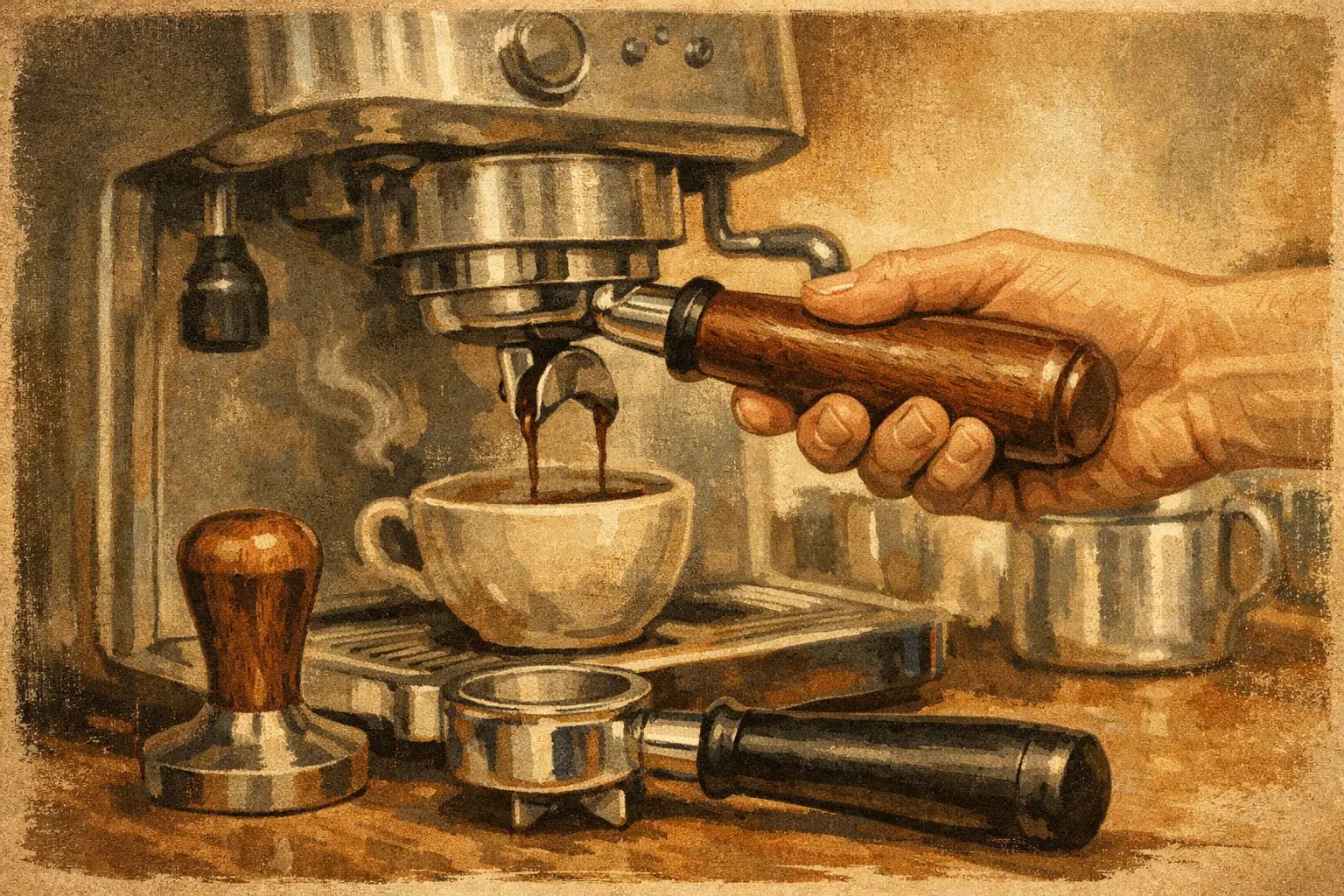
A Breville portafilter handle upgrade is one of the few changes you feel every time you make espresso. The handle is where your hand meets the machine: during dosing, tamping, locking in, and knocking out the puck. Replacing the standard plastic piece with a handcrafted wood handle can give a familiar Breville setup a warmer feel, better visual balance, and a finish that matches the rest of your coffee bar.
The key is getting the fitment right before choosing a wood species or shape. Breville has produced multiple portafilter styles across its 54 mm and 58 mm machines, and a handle that looks correct in a photo is not necessarily compatible with the portafilter on your counter.
Why upgrade a Breville portafilter handle?
A stock handle is built for dependable production at scale. It does its job, but it is rarely designed around the details that matter to an enthusiast: wood grain, profile, balance, finish, and coordination with a steam knob, grinder tray, tamper, or dosing tool.
A handcrafted handle changes the visual weight of the portafilter without changing the brewing system. Walnut brings a dark, classic look. Oak or maple can brighten a stainless-heavy station. Exotic or highly figured wood can turn the portafilter into a true focal point, especially when it is paired with other custom accents.
There is a practical side, too. A well-shaped wood handle can feel more natural during puck prep and when locking the portafilter into the group. That does not mean wood alone will improve extraction. Your grind, dose, distribution, temperature, and puck prep still determine the shot. The upgrade improves the experience of using the tool, not the physics inside the basket.
Fitment comes before finish
The most common mistake with a Breville handle upgrade is ordering by machine name alone. “Breville 54 mm” is useful information, but it does not always tell a maker everything needed to match the threaded connection.
First, confirm that your existing handle can be removed from the metal portafilter body. On many portafilters, the handle unthreads, revealing a threaded stud or threaded opening. The replacement must match that connection precisely. Thread diameter, pitch, depth, and the shape of the metal collar all matter.
Machine families can also differ. A 54 mm Breville machine may use a different portafilter design than a 58 mm dual-boiler or commercial-style configuration. Older versions, regional versions, bottomless portafilters, and third-party portafilter bodies can introduce further differences. Basket size should never be treated as a complete fitment specification.
What to check before ordering
A clear photo of the detached handle and the exposed connection is often the fastest starting point. Include a photo of the full portafilter body, the machine model name, and any markings stamped on the metal. If you can measure the threaded section with calipers, that is even better.
Also note whether you are replacing the handle on an original Breville portafilter or an aftermarket bottomless model. An aftermarket portafilter may be sold for a Breville machine while using its own handle thread standard. It may fit your group head perfectly and still require a different replacement handle.
For a custom order, direct communication is worth more than guessing from a listing photo. NepoCoffee can help confirm the details needed for a model-specific handle, especially when your setup includes an uncommon portafilter or a special request.
Choose a shape for your espresso workflow
Once compatibility is confirmed, shape becomes the more personal decision. There is no single best profile. It depends on how you hold the portafilter and the look you want on the bar.
A straight cylindrical handle has a clean, traditional feel and works well with minimal setups. A gently tapered profile can feel more secure in the hand and gives the portafilter a more intentional silhouette. A thicker, rounded handle adds visual presence and can be a good choice for those who prefer a fuller grip. Slim profiles suit compact stations and lighter-looking machines, but may not appeal to someone who likes a substantial feel.
Consider the portafilter as part of a complete workflow. If you use a dosing funnel, WDT tool, self-leveling tamper, and knock box every morning, choose a profile that feels comfortable during repeated handling. If the machine is displayed in an open kitchen, think about how the handle works beside your grinder hopper lid, steam knob, and other wood accents.
A handle should not be so long or heavy that it feels awkward when locking into the group head. Likewise, an aggressively sculpted shape may look impressive but be less comfortable during everyday use. The best custom upgrade is one you notice for the right reasons after months of use, not just on installation day.
Wood choice: appearance, feel, and variation
Wood is not molded plastic. Every piece has its own grain direction, color range, figuring, and small natural variations. That individuality is the reason many espresso owners choose it.
Walnut is a popular choice for its deep brown tones and ability to complement stainless steel, black machines, and dark grinders. Maple and lighter woods offer a clean contrast that works especially well in bright kitchens. White oak has a more textured, architectural character. More dramatic woods can provide strong color or grain, but should be selected with the understanding that natural materials vary from piece to piece.
The same wood species can look different under warm kitchen lighting than it does in daylight. It can also darken or develop more depth over time. If you are matching an existing wooden tamper handle or steam knob, share a photo when requesting custom work. A maker can coordinate the overall direction, though exact grain and color matching is never guaranteed with natural wood.
What a wood handle can and cannot handle
A finished hardwood handle is suitable for normal espresso use, including the moisture and occasional splashes common around a machine. Still, it deserves different treatment than stainless steel or plastic.
Do not soak it in water, run it through a dishwasher, or leave it sitting in a wet sink. Wipe coffee residue and moisture away with a soft cloth, especially around the joint where the handle meets the portafilter body. Avoid harsh degreasers, abrasive scrubbers, and prolonged contact with detergents.
Heat deserves some common sense as well. The portafilter body becomes hot during brewing, but the handle is designed to be held. Problems usually come from avoidable exposure, such as placing the wood directly on a hot cup warmer for long periods or leaving it near a strong heat source. A quality finish helps protect the wood, but care is still part of owning a handmade accessory.
If the surface eventually looks dry after extended use, follow the maker’s specific care guidance. Random kitchen oils are not always appropriate, particularly products that can become sticky or rancid. A simple wipe-down routine is usually all that is required.
Installation without damaging the portafilter
Remove the original handle carefully and inspect the threaded area before installing the new one. Clean away coffee oils or debris that may have collected around the connection. Start threading the replacement by hand rather than forcing it with a tool. It should engage smoothly.
Tighten until the handle is secure and properly aligned. Do not over-torque it. Excessive force can damage threads, stress the connection, or make future removal difficult. If a handle binds, sits crooked, or does not thread on easily, stop rather than trying to power through. That is usually a fitment issue that needs to be checked before proceeding.
After installation, make a few dry lock-ins with the machine turned off and cool. Confirm that the handle clears nearby surfaces, feels balanced, and sits at a comfortable angle when the portafilter is locked into the group head.
Build a coordinated Breville setup
A custom handle can stand alone, but it often becomes the starting point for a more cohesive station. Matching wood components can bring together a Breville machine, grinder, and puck-prep tools that were never designed as a set. A portafilter handle paired with a steam knob, bean hopper lid, dosing funnel accent, or tamper handle adds character without turning the workspace into a display-only setup.
Keep function in the lead. Choose accessories that support how you actually make coffee, leave enough space for your scale and cups, and avoid finishes that clash with the machine’s daily wear. The best coffee station looks personal because it has been built around your hands and habits.
Before ordering, take five minutes to photograph your portafilter connection and confirm your machine model. That small step gives you the confidence to choose the wood, shape, and custom details you will be happy to reach for every morning.