How to Choose a Profitec Wooden Steam Knob
A Profitec wooden steam knob is a small upgrade with an outsized effect on a machine’s daily feel. Your hand reaches for the steam control every time you texture milk, purge the wand, or build a milk-drink workflow. Replacing the factory knob with a handcrafted wood piece brings warmth to the stainless-steel case while giving your espresso station a more intentional, personal finish.
The right knob is not just a matter of picking a wood species you like. Profitec machines are built with model-specific parts, and steam controls need a secure, correct fit to remain comfortable and dependable. Before ordering, confirm your machine model, compare the existing knob design, and consider how the wood will work with the rest of your setup.
Why upgrade to a Profitec wooden steam knob?
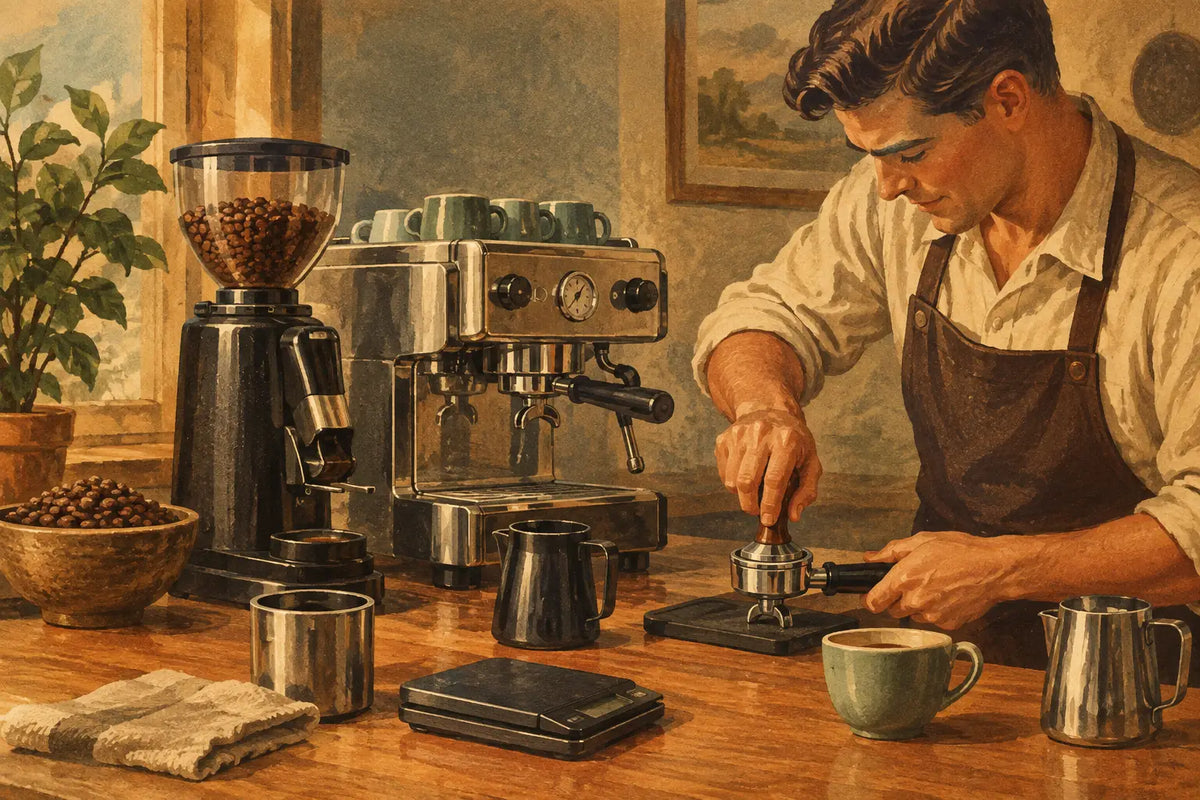
Profitec machines are known for their solid construction, clean lines, and serious brewing capability. The stock controls are functional, but a wood upgrade changes the visual balance of the machine. It can tie the steam side into a wood portafilter handle, bottomless handle, flow control knob, grinder tray, or tamper station without changing the machine’s core character.
There is also a practical reason to make the switch. A well-shaped wooden steam knob can feel more natural in the hand than a cold metal or molded control. The texture of finished hardwood gives your fingers a clear point of contact when opening or closing the valve, particularly during a fast milk-steaming routine.
That said, wood is an aesthetic and tactile upgrade, not a performance modification to the steam system. It will not add boiler power, increase steam pressure, or fix a valve that is leaking or difficult to turn. If your steam knob binds, spins loosely, or the valve drips from the spindle, address the underlying mechanical issue first. A new exterior knob should be installed on a properly functioning control assembly.
Fitment comes before wood selection
The most important part of choosing a Profitec wooden steam knob is confirming compatibility. Profitec has produced several machine families, and details can vary by model generation, knob style, mounting method, and valve assembly. Even machines that look similar from the front may not use the same internal connection.
Start with the exact model name and, when possible, the production year or serial-range information. A clear photo of the installed steam knob from the front and side is useful for custom work. If you have already removed the original piece, photographs of the mounting point and measurements can help verify the design before an order is made.
Avoid treating a wooden knob as a universal part. A knob that is too loose can rotate independently of the valve, while one that does not seat correctly may sit crooked or interfere with the machine’s panel. For a control that sees heat, moisture, and regular hand pressure, close fitment matters.
Details worth confirming before you order
Check whether you need the steam knob only or a matched set with the hot-water knob. On many home espresso bars, the strongest result comes from repeating one wood species across the machine and accessories, but matching is a preference rather than a rule. A single steam knob can look excellent as a subtle accent, especially if your portafilter or grinder already has wood elsewhere.
Also consider the knob profile. Some owners prefer a compact shape that stays close to the machine’s original silhouette. Others want a slightly fuller profile with more hand purchase. If your machine sits beneath low cabinets or close to a backsplash, clearance can matter as much as appearance.
For a custom request, provide the machine model, the finish or wood you have in mind, and any other wooden parts you want to coordinate. A maker can then focus on the details that determine whether the finished part looks purpose-built rather than added as an afterthought.
Choosing a wood and finish for your espresso bar
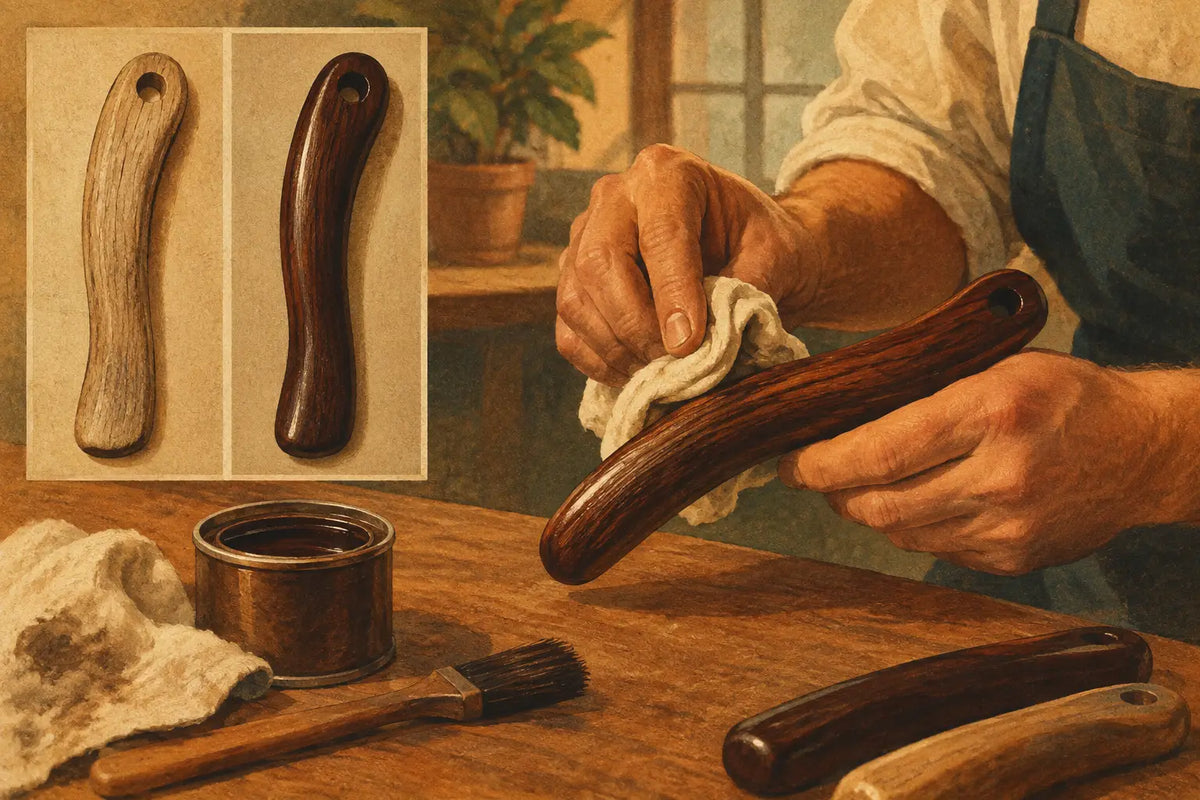
Wood selection changes the personality of a stainless Profitec machine. Walnut is a familiar choice for its deep brown tone and visible grain. It suits darker cabinetry, black grinders, and warm kitchen finishes. Maple feels brighter and cleaner, making it a natural companion for light counters or a Scandinavian-inspired coffee corner.
Oak brings pronounced grain and a classic furniture-like look. Olive wood is often chosen for its dramatic variation, though its natural figuring means no two pieces will look exactly alike. That variation is part of the appeal for buyers who want a truly individual part rather than a factory-matched accessory.
A handcrafted wood piece will also vary slightly in grain direction, color, and figure. Product photos show the style and general tone, not an identical piece of wood. This is especially relevant with woods that have strong natural movement. If you are matching an existing NepoCoffee handle or accessory, mention it when requesting your knob so the overall set can be considered together.
The finish matters, too. It should be suitable for frequent handling and the humid environment around an espresso machine. A properly finished knob is designed to resist normal kitchen use, but it is still wood. Do not leave it sitting in pooled water, saturate it with cleaner, or scrub it with abrasive pads.
Installation without damaging the valve
Installing a replacement steam knob should be straightforward only when the correct part is being used and the original hardware is handled carefully. Turn the machine off, allow it to cool completely, and make sure the steam valve is closed before beginning. If you have recently steamed milk, give the steam wand and surrounding metal plenty of time to cool.
Take photos before removing the original knob. They provide a useful reference for orientation and hardware placement. Remove the existing piece according to your machine’s design, keeping any screws or small components organized in a cup or tray. Never force the valve stem, pry against the front panel, or use pliers directly on visible machine surfaces.
When fitting the new wooden knob, align it as intended and secure it with only the amount of force needed for a stable installation. Overtightening can damage threads, compress wood unnecessarily, or make later removal difficult. Once installed, turn the control gently through its normal range. The knob should feel secure and should not rub against the machine body.
If the fit feels wrong, stop rather than trying to modify the part at the machine. A quick message with photos is usually the best path for diagnosing a compatibility question. Custom espresso parts are worth getting right before heat and daily use enter the picture.
Caring for a wooden steam knob
Steam controls live near moisture, but good care is simple. Wipe the knob with a soft, lightly damp cloth when needed, then dry it promptly. For routine cleaning, avoid soaking the wood or spraying cleaner directly onto it. If milk residue or kitchen grease reaches the knob, use a mild cleaner on the cloth instead of applying it heavily to the wood.
A little awareness during steaming also goes a long way. Purge the steam wand away from the machine and wipe the wand after use, as you normally would. This keeps hot moisture and milk residue from collecting around the front panel and control area.
Over time, real wood develops character. Small changes in tone are normal, especially in a sunny kitchen. Treat that natural aging as part of owning a handcrafted component. If the finish ever looks dry after long-term use, ask the maker for care guidance that matches the specific wood and finish rather than applying a random oil or wax.
Build a more considered Profitec setup
A steam knob is one of the controls you use most, which makes it a meaningful place to personalize your machine. Start with confirmed fitment, choose a wood that suits your space, and give the part the same thoughtful care you give your grinder, portafilter, and machine maintenance.
For owners who want a specific wood, a coordinated accessory set, or help identifying the right configuration, NepoCoffee can work from your machine details and photos. The best upgrade is the one that looks at home on your Profitec and feels right every time you steam milk.