Espresso Dosing Funnel: Does It Matter?
A messy dosing routine usually shows up in the same place every morning - coffee grounds on the tray, on the scale, and somehow under the grinder too. An espresso dosing funnel fixes that small but constant problem, and for many home baristas, it also makes puck prep more consistent. It is not magic, and it will not repair a weak grinder or poor distribution on its own, but it is one of those accessories that quickly earns its spot beside the tamper and WDT tool.
What an espresso dosing funnel actually does
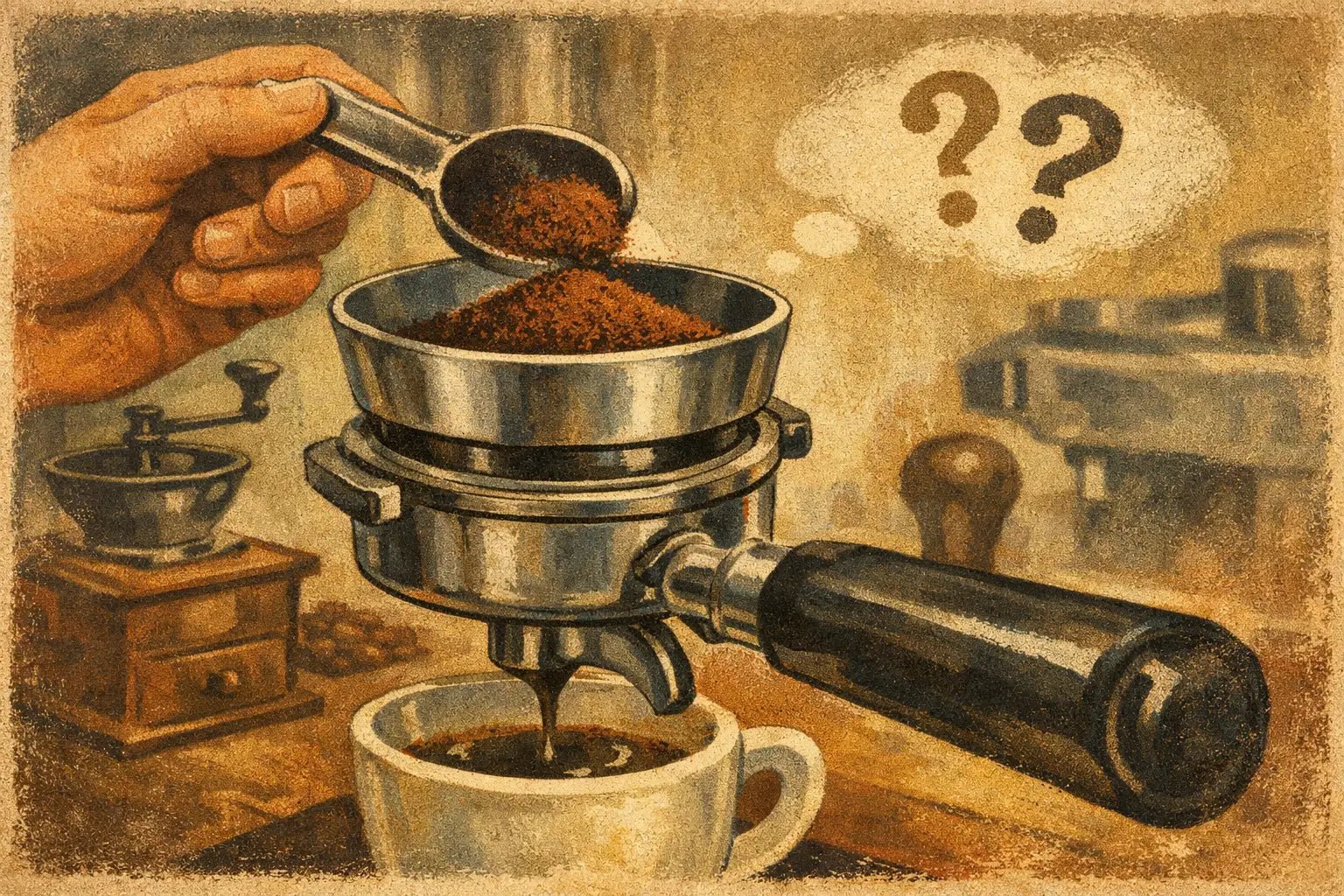
An espresso dosing funnel sits on top of the portafilter basket and gives you higher walls while you grind, shake, stir, or distribute. That sounds simple because it is. The value comes from control. Instead of trying to keep a fluffy mound of grounds balanced at the rim of the basket, you get a contained workspace that lets you prep the puck with less waste and less interruption.
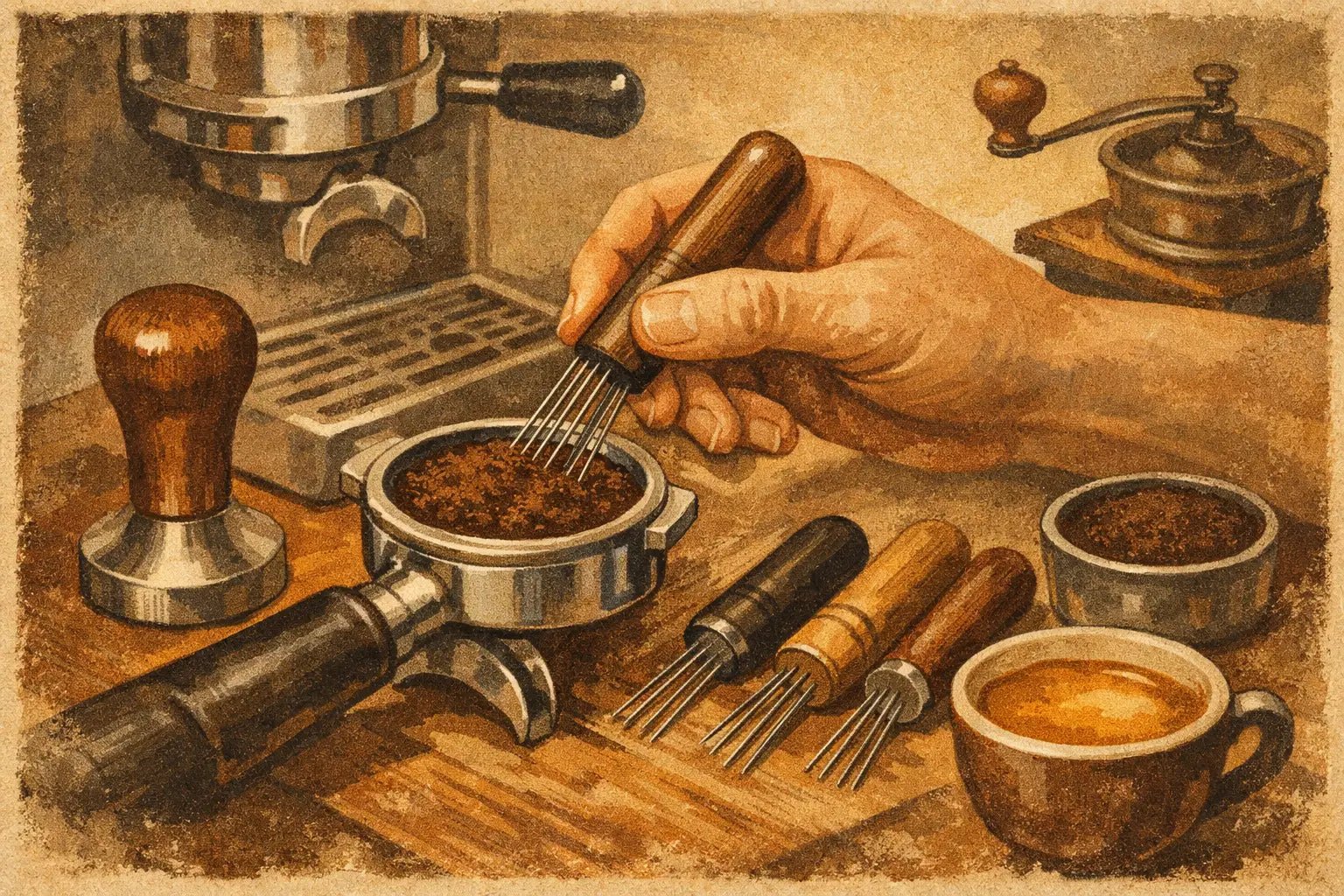
If you single dose, use WDT, or grind directly into the portafilter, the benefit is easy to feel right away. You can rake through the coffee bed more aggressively without spraying fines across the counter. You can tap and settle the grounds with more confidence. You can move faster without being sloppy.
For some setups, the gain is mostly cleanliness. For others, especially baskets filled close to capacity, it becomes part of getting repeatable prep.
Why home baristas keep adding one to the workflow
Most espresso accessories fall into two categories: things that look useful and things you miss as soon as they are gone. A dosing funnel tends to land in the second category.
The first reason is simple retention of grounds where they belong. Even a few tenths of a gram lost to the counter can matter when you are dialing in a light roast or trying to repeat yesterday’s shot. If your grinder drops grounds slightly off-center, or your basket fills high and uneven, a funnel helps keep the dose intact.
The second reason is WDT. Once you start breaking up clumps and moving coffee across the basket, the top layer rises. Without a funnel, you either stir timidly or clean up after every shot. With a funnel, you can actually work the coffee bed properly.
The third reason is workflow. A cleaner station is not just about appearances. It means fewer resets, fewer wipes, and less hesitation between grinding, distributing, and tamping. Over time, those small reductions in friction matter.
Does every setup need an espresso dosing funnel?
No. If your grinder doses neatly into the center of the basket, your roast profile is forgiving, and you do not use WDT, you may not feel a major difference. Some baristas with lower-dose baskets or very tidy grinder chutes get by just fine without one.
But there are clear cases where it helps more. Deep baskets, high doses, fluffy grinds, RDT users, and anyone doing careful distribution will usually benefit. The more your prep style involves moving coffee around before tamping, the more useful the funnel becomes.
That is the trade-off worth being honest about. A dosing funnel does add one more piece to handle. If your goal is the absolute simplest routine, it may feel like an extra step. If your goal is a cleaner and more controlled puck prep, it usually justifies itself quickly.
Fit matters more than people think
This is where a lot of buyers get disappointed. A dosing funnel is only as good as its fit on your portafilter and basket setup.
Some funnels sit inside the basket lip. Others sit on top of it. Some use magnets to stay centered, while others rely on a snug mechanical fit. None of these approaches is automatically better in every case. It depends on your basket, your portafilter ears, your grinder fork clearance, and how you prep.
An inside-fit funnel can feel very secure, but it may displace a little volume or interfere with the upper edge of the coffee bed depending on basket shape. A top-sit funnel avoids intruding into the basket, but a poor fit can wobble during WDT. Magnetic funnels are convenient and quick to place, though magnet strength and portafilter material affect how confident that hold feels.
Compatibility matters even more if you own equipment from brands like Breville, ECM, Lelit, Rocket, Gaggia, La Marzocco, Bezzera, or Profitec, where basket dimensions and portafilter details can vary enough to affect the experience. A generic funnel may work. A well-matched one usually works better.
Height, weight, and material all change the feel
Not all funnels are built for the same style of use. A shorter funnel may be enough if your main goal is catching stray grounds while grinding. A taller one gives more room for WDT and aggressive distribution, especially with fuller doses. If you are often dosing 18 to 20 grams into a basket that already sits near the top, height makes a real difference.
Weight also matters. A lightweight funnel is easy to remove and handle, but it can shift if you tend to stir firmly. A heavier funnel often feels more stable and premium, though too much weight can make the setup feel clunky on some portafilters.
Material changes both function and appearance. Aluminum and stainless steel are common for good reason. They are durable, easy to clean, and feel appropriate next to prosumer espresso gear. If aesthetics matter to you, this is also one of those accessories that can either blend into the setup or add to it. On a machine with custom wood accents and upgraded workflow tools, details stop feeling minor pretty quickly.
A dosing funnel will not fix bad distribution
This is worth saying clearly. A funnel helps you perform better puck prep. It does not perform puck prep for you.
If your grind size is wrong, your grinder produces heavy clumping, or your tamping is inconsistent, adding a funnel will not suddenly produce syrupy, balanced shots. What it does is remove one source of mess and one source of interruption. That makes it easier to apply your technique consistently.
That distinction matters because espresso accessories sometimes get sold like shortcuts. This one is better understood as a control tool. It supports good habits. It does not replace them.
How to choose the right espresso dosing funnel
Start with your portafilter size and basket style, then think about how you actually prep coffee. If you grind directly into the basket and tamp right away, prioritize secure fit and grinder clearance. If you use WDT every shot, prioritize height and stability. If your station is as much about visual finish as performance, material and design deserve more weight in the decision.
It is also worth thinking about whether you swap baskets often. A funnel that works perfectly on one precision basket may sit differently on another. If you run multiple baskets for different coffees or doses, versatility matters.
For many home baristas, the best option is not the most complicated one. It is the funnel that fits cleanly, stays put during prep, clears the grinder if needed, and feels good enough to use every day. That last point matters more than spec sheets. The accessory that becomes part of your routine is the one that improves the routine.
Small tool, better workflow
There is a reason so many experienced home baristas end up keeping a dosing funnel in constant rotation. It reduces waste, supports cleaner WDT, and makes the whole prep sequence feel more controlled. That may sound modest, but espresso is full of modest improvements that stack up into better mornings.
At NepoCoffee, that is the kind of upgrade we appreciate most - functional, well-made, and matched to the setup instead of forced into it. If your current routine leaves grounds everywhere or makes puck prep feel fussier than it should, a good dosing funnel is often one of the easiest fixes. The best accessories do not call attention to themselves. They just make the process feel right.