Flow Control Knob Espresso Upgrade Guide
A good flow control knob espresso setup changes the way your machine feels long before it changes the shot. You notice it in your hand first - smoother movement, better grip, clearer control at the group, and a part that looks like it belongs on a machine you actually care about. For home baristas running prosumer equipment, that matters. The tactile side of espresso is part of the ritual, and the wrong knob can make a premium machine feel oddly unfinished.
What a flow control knob espresso upgrade actually does
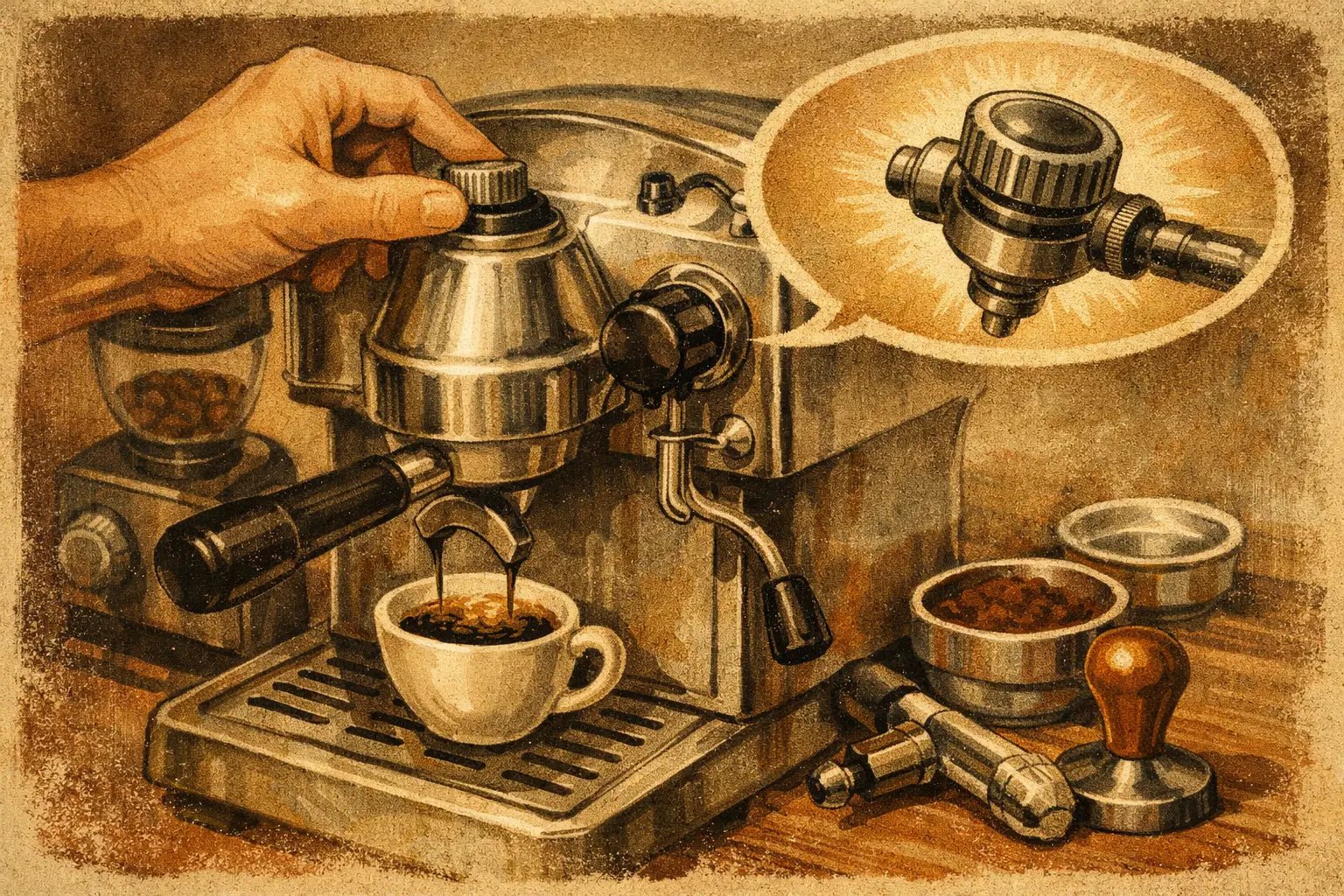
The knob itself does not create flow control. That job belongs to the flow control device or needle valve assembly installed on the machine. The knob is the interface you use to adjust it. But that does not make the knob a cosmetic extra. It is the part you touch every time you profile a shot, so its shape, size, texture, and fit all affect how precisely you can work.
On machines with manual flow control, small changes matter. You may start a shot with restricted flow for a gentle preinfusion, then open it gradually to increase pressure and water movement through the puck. If the knob feels slippery, too small, or vague in its movement, repeatability gets harder. A well-made knob gives you better tactile feedback, which is especially useful when you are trying to hit the same profile twice.
That is why enthusiasts often upgrade the stock part. Some want a better visual match with wood accents on portafilter handles, steam knobs, and group details. Others simply want a more confident grip and a cleaner feel in daily use. Usually it is both.
Why the stock knob is not always enough
Many factory knobs are perfectly functional, but not all of them feel premium. On a machine that already has stainless panels, polished valves, walnut handles, or custom touches across the bar setup, a generic plastic or basic metal knob can stand out in the wrong way.
There is also a comfort issue. Flow profiling asks for deliberate, fine movements. A knob with poor ergonomics can make those small adjustments feel awkward. If your fingers are wet, if the machine is hot, or if you are moving quickly between drinks, the difference becomes even more noticeable.
A handcrafted replacement knob can improve three things at once: control, appearance, and owner satisfaction. That last one is real. Espresso people spend a lot of time with their equipment, and the details are part of the value.
Fit matters more than looks
The best-looking knob in the world is useless if it does not match your machine's hardware. Flow control parts are not universal just because the machines look similar from the outside. Brands like ECM, Profitec, Rocket, Lelit, and Bezzera can use different fittings, shaft dimensions, mounting styles, and group configurations depending on the model and version.
That is why compatibility should always come first. Before buying a flow control knob espresso upgrade, you want to confirm the machine brand, model, and the exact flow control kit or valve setup already installed. Some users are replacing a stock knob on a factory-installed flow control system. Others are upgrading the knob that came with an aftermarket kit. Those are not always the same thing.
If you are unsure, measurements and photos help. A maker who works with model-specific parts can usually tell a lot from a clear image of the group and current knob setup. That is especially useful for machines that have seen owner-installed upgrades over time.
Material choice changes the experience
Wood is often the first choice for enthusiasts who want warmth and visual depth on a stainless espresso machine. A wooden flow control knob can tie together the whole front end of the machine, especially if you already have matching portafilter handles, steam knobs, or lever accents. It softens the industrial look without making the machine feel decorative or flashy.
But wood is not just about style. A well-finished hardwood knob can feel more pleasant in the hand than bare metal, particularly around heat. Grain, contour, and finish all contribute to grip. Different species also create different looks, from lighter natural tones to darker, richer browns that pair well with black or mirror-finish machines.
That said, material choice depends on your priorities. Some users prefer metal for visual consistency with factory hardware. Others want the handmade character that only wood brings. Neither is automatically better. It depends on whether your goal is exact OEM-style integration or a more custom, artisan look.
The shape of the knob affects control
When people think about upgrades, they often focus on finish and color first. Shape deserves just as much attention. A flow control knob needs enough diameter to allow fine adjustment, but it should not feel oversized or interfere with nearby components. The edge profile matters too. A rounded shape can feel smooth and comfortable, while a more defined edge can offer extra grip and clearer finger placement.
This becomes more important if you are actively profiling shots rather than setting and forgetting. Home baristas who use flow control occasionally may be satisfied with almost any decent knob. Those who adjust frequently during light roast extractions will notice the difference between acceptable feel and genuinely precise feel.
There is a trade-off here. A larger knob can improve control, but it may also change the visual balance of the machine. A slimmer knob can look elegant, yet feel less substantial. The right choice sits in the middle - comfortable enough for repeatable use, refined enough to suit the machine.
Aesthetic upgrades still need to be functional
A custom espresso machine should still work like a serious tool. That sounds obvious, but it is easy to lean too far into appearance and forget about daily use. The best upgrades do both. They improve the visual identity of the machine while making interaction more satisfying.
That is especially true for a front-facing component like a flow control knob. It sits in a prominent position near the group, where your eyes and hands go constantly. If the finish is inconsistent, if the fit feels loose, or if the knob does not align cleanly, the machine can feel less refined instead of more refined.
A good replacement part should look intentional. It should feel secure, turn smoothly, and match the level of care you already put into grinder setup, puck prep, and maintenance.
When a flow control knob espresso upgrade makes the most sense
If your stock knob is worn, cracked, or unimpressive, the upgrade case is easy. The same applies if you have already customized other touchpoints on the machine and want the flow control area to match.
It also makes sense for users who are building a more coordinated setup. Matching wood across the portafilter, steam knob, and flow control knob creates a cleaner visual language. Your machine starts to feel like your machine, not just a stock unit with a few accessories added on.
There is also a practical reason to upgrade if you use flow profiling regularly and want better tactile consistency. In that case, the knob is not a finishing touch. It is part of your brewing workflow.
What to check before ordering
Start with compatibility, then think about use. Confirm the machine model and current flow control assembly. Check whether you want a direct replacement appearance or something more custom. If you already have wood accents, consider matching species or finish so the machine feels cohesive rather than pieced together.
It is also smart to think about how you brew. If you profile often, prioritize grip and shape. If your machine is more of a visual centerpiece and you only make a few milk drinks a day, you may care more about the finish and color match. Most buyers want both, but one usually matters more.
For custom work, clear communication saves time. Photos, measurements, and machine details make it easier to get a part that fits correctly the first time. That is one reason many enthusiasts prefer working directly with a specialized maker like NepoCoffee rather than sorting through generic listings with vague compatibility claims.
Small part, big difference
Espresso machines are full of parts that seem minor until you use a better version. The flow control knob is one of those parts. It does not change your machine's core design, but it changes how you interact with it every day. Better grip, better feel, better visual fit - those are meaningful upgrades when you care about both performance and presentation.
If you are already the kind of owner who notices wood grain, group feel, and the difference between good fitment and almost fitment, this is exactly the kind of detail worth getting right. A carefully made knob will not pull the shot for you, but it will make every adjustment feel more deliberate, and that is a good place to start.