Choosing a Grinder Tray for Espresso
A messy grinder station has a way of slowing down everything. Grounds collect under the chute, the counter starts to feel gritty, and small workflow mistakes show up fast when you are making espresso every day. A good grinder tray for espresso is one of those upgrades that looks simple at first, but it can make the whole station feel more intentional, easier to clean, and better matched to the rest of your setup.
For home baristas who already care about distribution, puck prep, and machine details, the tray under the grinder is not just filler. It helps define the workspace. It catches the stray grounds that never seem to land where they should, gives the grinder a more stable footprint, and can add the same finished look that people want from a wood portafilter handle or a custom steam knob. If the rest of your bar is thoughtfully built, a generic plastic mat under a premium grinder usually feels out of place.
What a grinder tray for espresso actually does
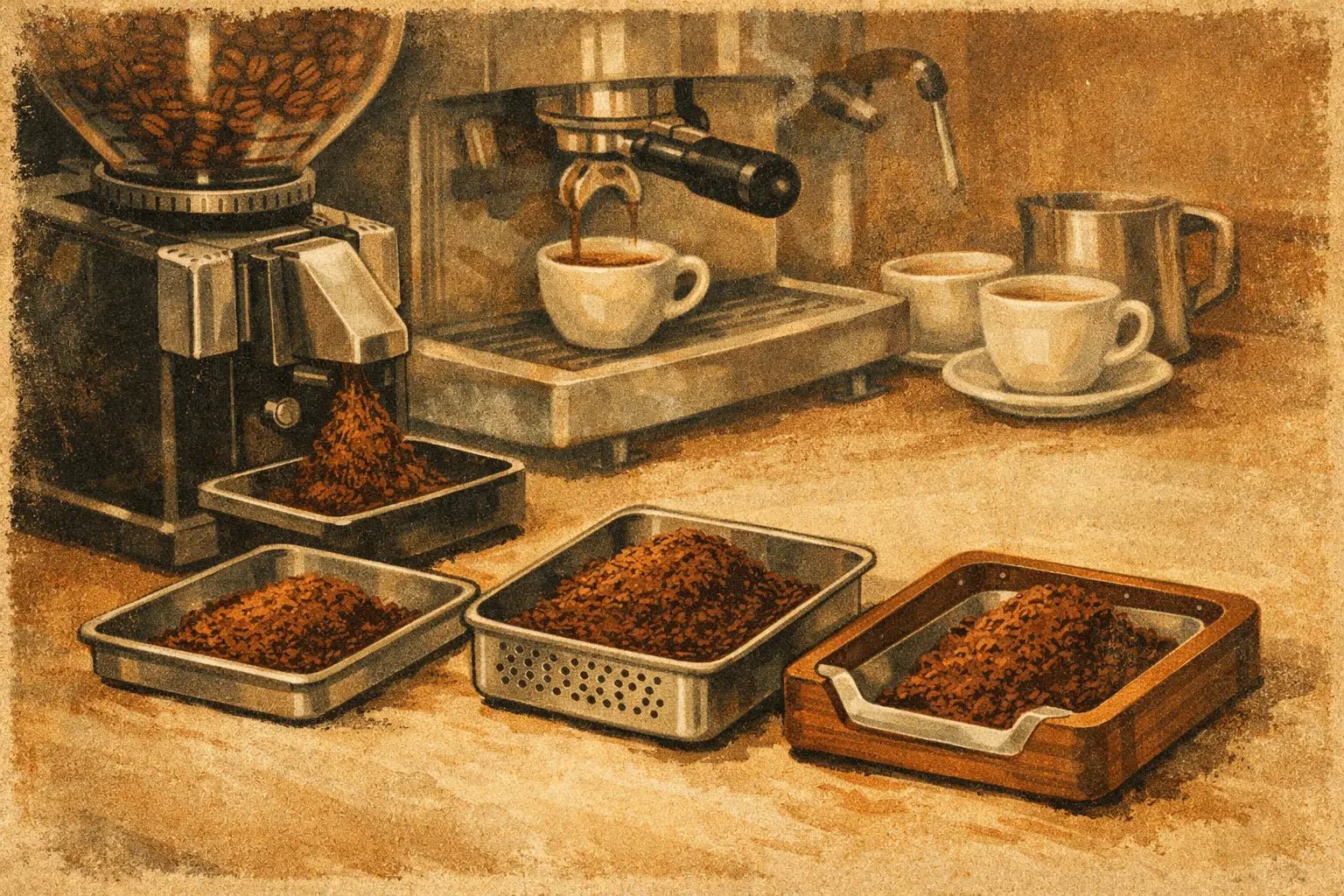
At the practical level, the job is straightforward. A grinder tray sits beneath the grinder and creates a controlled surface for daily use. It catches loose grounds, helps contain minor static scatter, and gives you a clear zone for dosing cups, brushes, and quick wipe-downs.
That sounds minor until you consider how often that area gets used. Espresso workflow is repetitive by nature. You grind, brush, wipe, dose, tamp, and repeat. Even small annoyances become constant annoyances when they happen several times a day. A tray reduces the amount of mess that reaches your countertop and makes cleanup faster because you are dealing with one defined surface instead of every edge around the grinder.
There is also the visual side. Espresso enthusiasts tend to build stations piece by piece, and consistency matters. When your grinder, machine, tamping tools, and wood accents all feel considered, the station looks finished instead of improvised. That is a real part of why people upgrade accessories. It is not only about appearance, but appearance is part of the ownership experience.
Why the right grinder tray for espresso matters
Not every tray will improve your station. The wrong one can slide around, waste space, or clash with the grinder base. That is why the details matter more than they might seem from product photos alone.
Fit is the first thing to get right. Some grinders have a broad, stable footprint, while others have narrow bases that concentrate weight in a smaller area. A tray should support the grinder without creating wobble or leaving awkward overhang. If it is too small, it looks unfinished and may not catch much. If it is too large, it can dominate the counter and make the station harder to organize.
Material matters just as much. A thin tray may be easy to move, but it can also feel disposable under a premium grinder. A more substantial piece tends to feel better in use and more appropriate for high-end equipment. If wood is part of the design, the finish and construction make a difference. Home espresso setups deal with vibration, heat nearby, routine wiping, and occasional moisture. The tray has to handle real use, not just look good in a product shot.
Then there is edge design. A tray with a slightly raised lip can help keep grounds from escaping during brushing or dosing. A completely flat design may feel cleaner visually, but it gives stray coffee more ways to migrate onto the counter. Neither approach is automatically better. It depends on whether you prioritize strict containment or a slimmer profile.
Matching the tray to your grinder and workflow
The best tray is the one that fits how you actually make coffee. A single-dose workflow has different needs than a hopper-based setup, and a compact apartment station has different constraints than a dedicated coffee bar.
If you single-dose, you probably spend more time handling beans, dosing cups, and quick tools right around the grinder. In that case, a tray with enough surface area to catch grounds and support those repeated motions makes sense. You want room to work without feeling cramped.
If you use a hopper and keep the grinder mostly in place, the tray may be less about movement and more about long-term cleanliness and station definition. Here, visual fit and easy wipe-downs may matter more than extra surface area.
Counter depth also deserves attention. Some espresso bars look spacious in photos but are tight in real life once the machine, knock box, tamper station, scale, and grinder are all in place. A tray should improve organization, not force awkward spacing. Measure your grinder footprint, then consider how much room you need for hand movement around it.
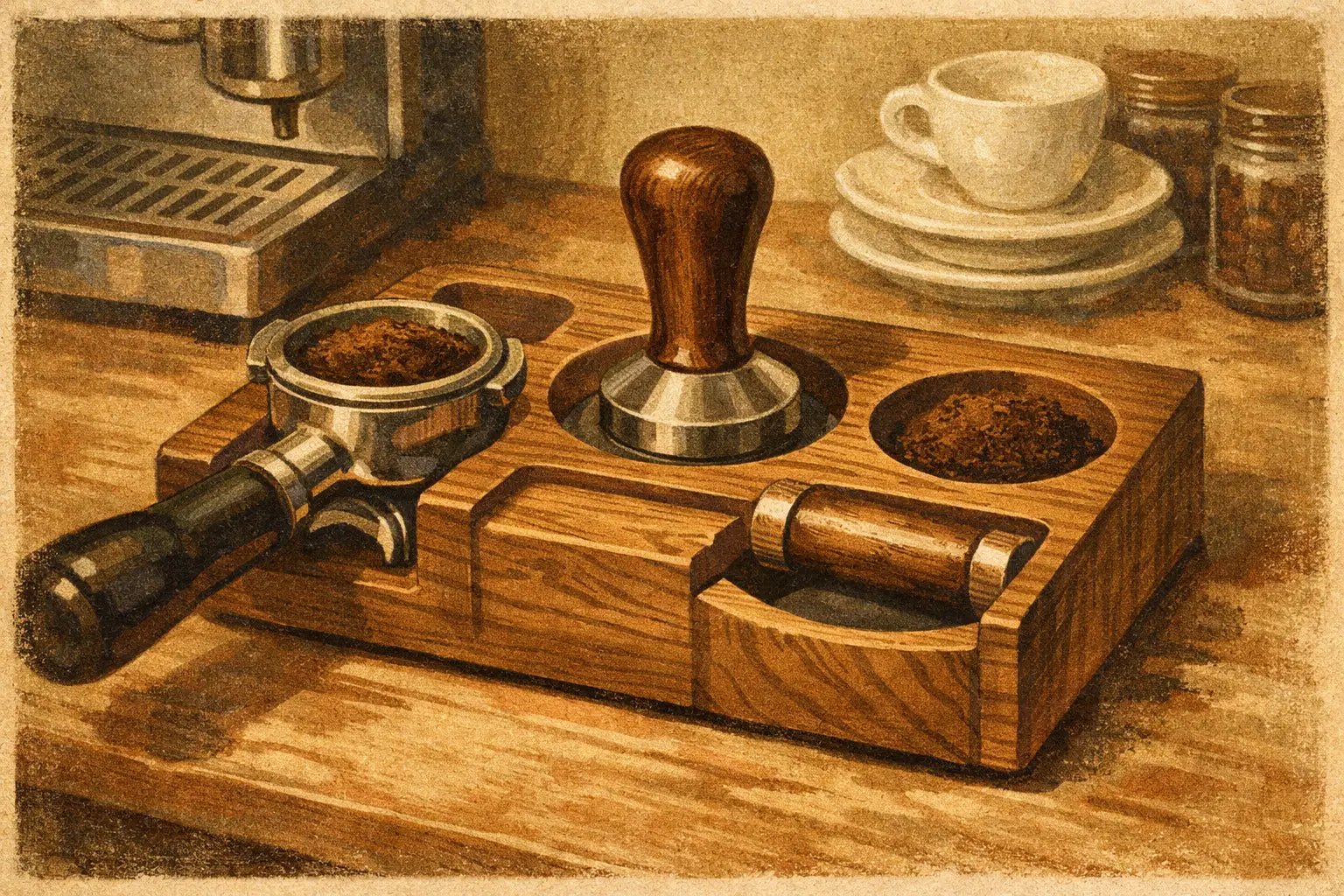
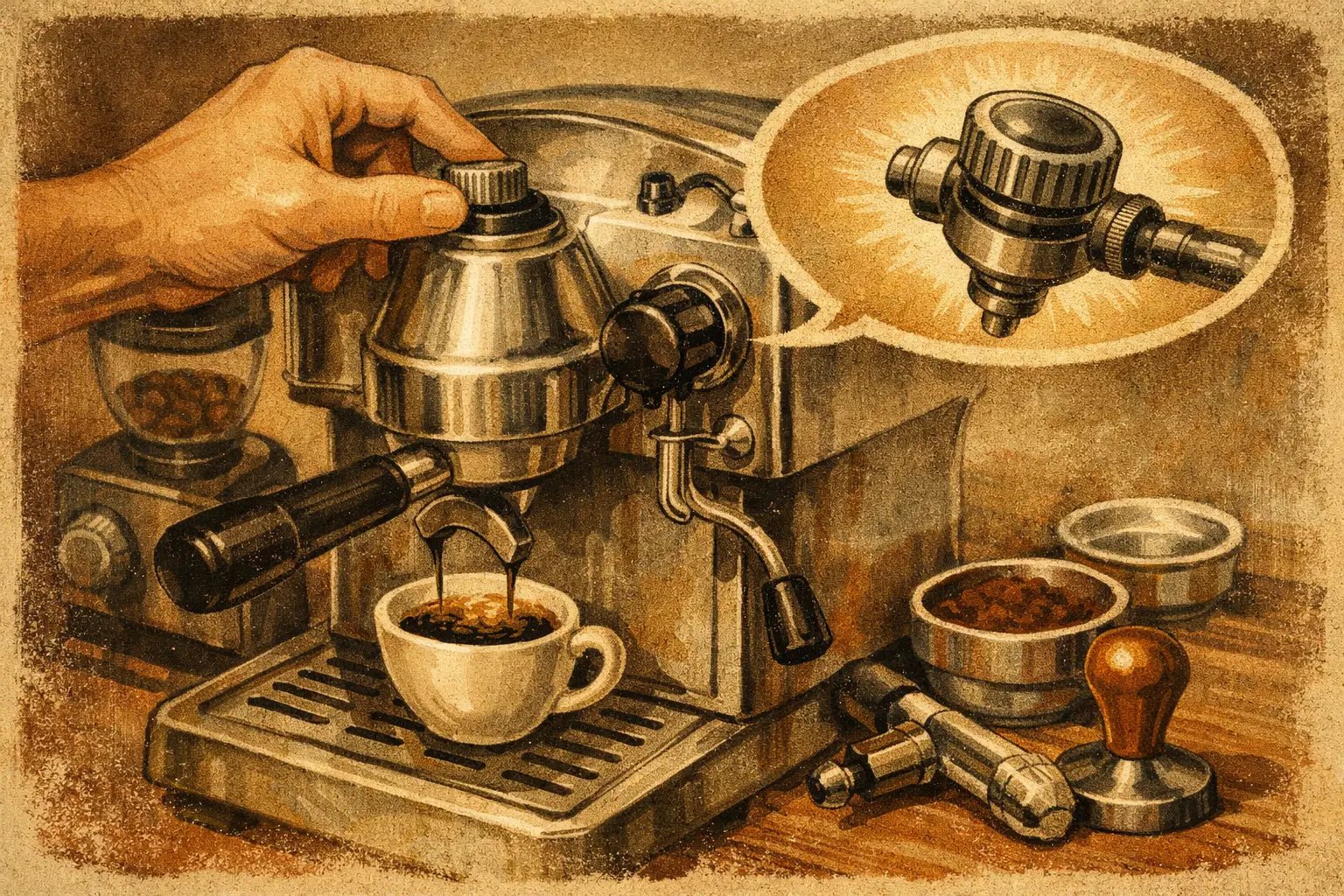
Aesthetic matching is worth thinking through too. Many enthusiasts prefer the grinder tray to coordinate with wood accents on portafilter handles, steam knobs, or bean lids. That kind of consistency can make the setup feel custom rather than assembled from unrelated parts. For people building around walnut, oak, maple, or darker machine finishes, the tray becomes part of the overall design language.
Materials, finish, and build quality
This is where a lot of grinder trays separate themselves from generic accessories. Good materials do more than improve looks. They change how the tray feels in use and how well it holds up over time.
Solid wood brings warmth that metal and molded plastic usually do not. It pairs especially well with premium espresso equipment, where users already appreciate tactile upgrades and better-looking details. But wood is only as good as the craftsmanship behind it. Grain selection, edge finishing, sanding quality, and protective coating all affect durability and appearance.
A poorly finished tray may show wear quickly, especially with repeated wiping and coffee oil exposure. A well-made one feels smooth, stable, and intentional from day one. It should not look like an afterthought beside a serious grinder.
There are trade-offs, though. Some people prefer the low-maintenance feel of more industrial materials, particularly if they want a strictly utilitarian station. Others want handcrafted parts that bring character into the setup. Neither choice is wrong. It depends on whether your priority is workshop-grade function, furniture-grade presentation, or a balance of both.
For buyers with premium grinders and upgraded machine accents, handcrafted often makes more sense because it keeps the whole setup visually aligned. That is especially true if you are already customizing other touchpoints on the bar.
Common buying mistakes
The most common mistake is treating every grinder tray as universal. In practice, proportions, counter space, and visual balance vary a lot. What works under one grinder can look undersized or oversized under another.
Another mistake is choosing based only on color. Finish matters, but shape and dimensions come first. A tray that matches your wood accents but does not fit your grinder well will bother you every day.
Some buyers also underestimate cleanup habits. If you brush out around the chute often, a tray with useful containment is easier to live with. If you rarely deal with much static or scatter, a cleaner, flatter profile might be enough. Think about your actual routine, not the idealized one.
Finally, do not overlook compatibility with adjacent accessories. Your dosing cup, catch cup, scale placement, and tamping area all affect how the grinder zone functions. The tray should support that workflow rather than compete with it.
When custom makes more sense
Off-the-shelf can work fine if your grinder footprint is common and your layout is forgiving. But custom becomes valuable fast when you have a tight station, unusual grinder dimensions, or a strong preference for matching existing wood accents.
That is where a maker-led approach has real advantages. A handcrafted accessory built with espresso equipment in mind tends to reflect how enthusiasts actually use their bars. The fit, finish, and wood tone can be considered in relation to the rest of the station, not just produced as a generic rectangle intended to work well enough for everyone.
For detail-oriented owners of Breville, ECM, Lelit, Rocket, La Marzocco, Gaggia, Bezzera, and Profitec setups, that difference is easy to appreciate. You already know that the small parts shape the daily experience. A grinder tray is no different. At NepoCoffee, that is exactly why custom requests and model-conscious accessories matter.
A grinder station does not need to be flashy to feel premium. It needs to work cleanly, look like it belongs, and hold up to daily use. If your current setup leaves grounds all over the counter or feels visually unfinished, the right tray is a simple upgrade that pays you back every morning.