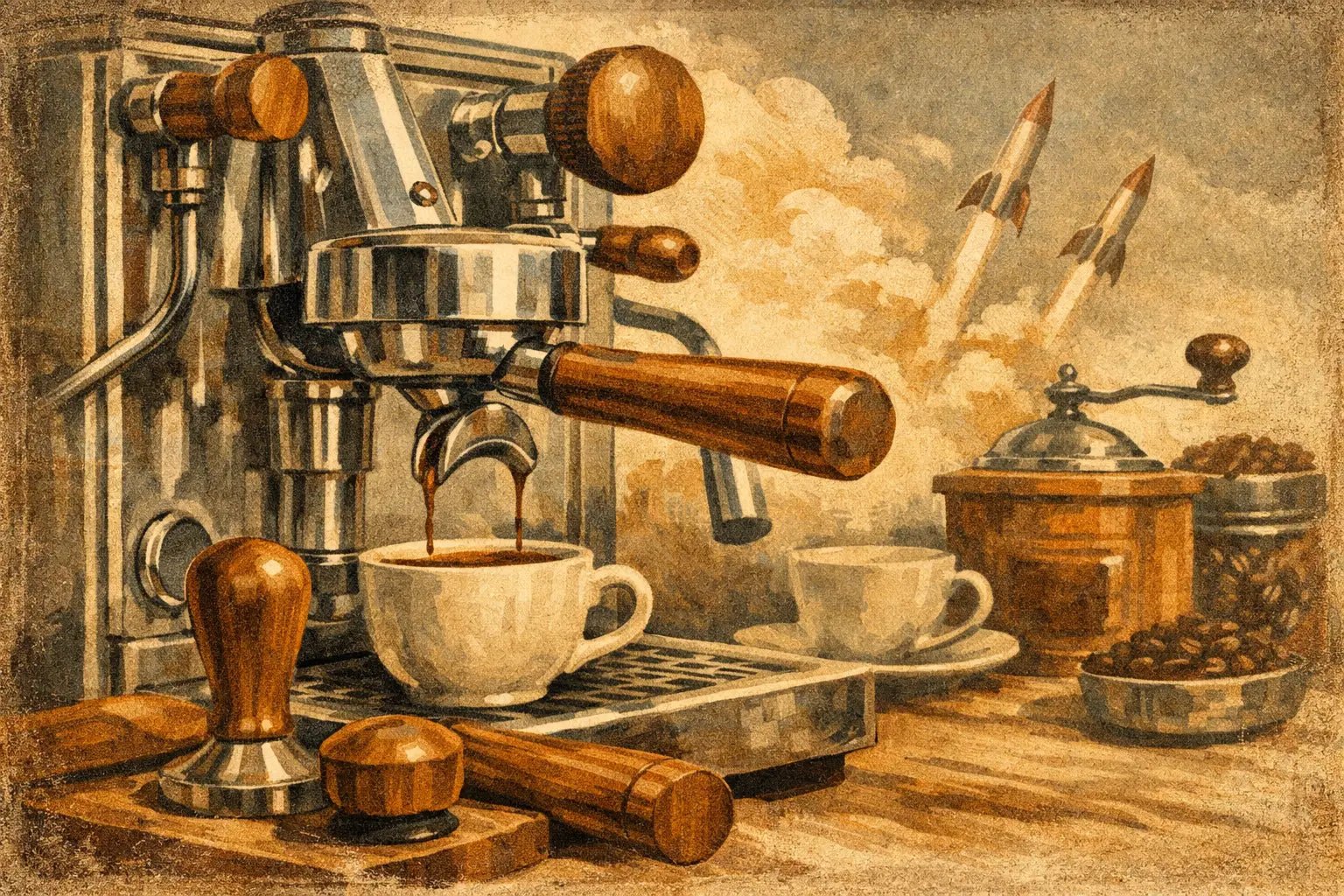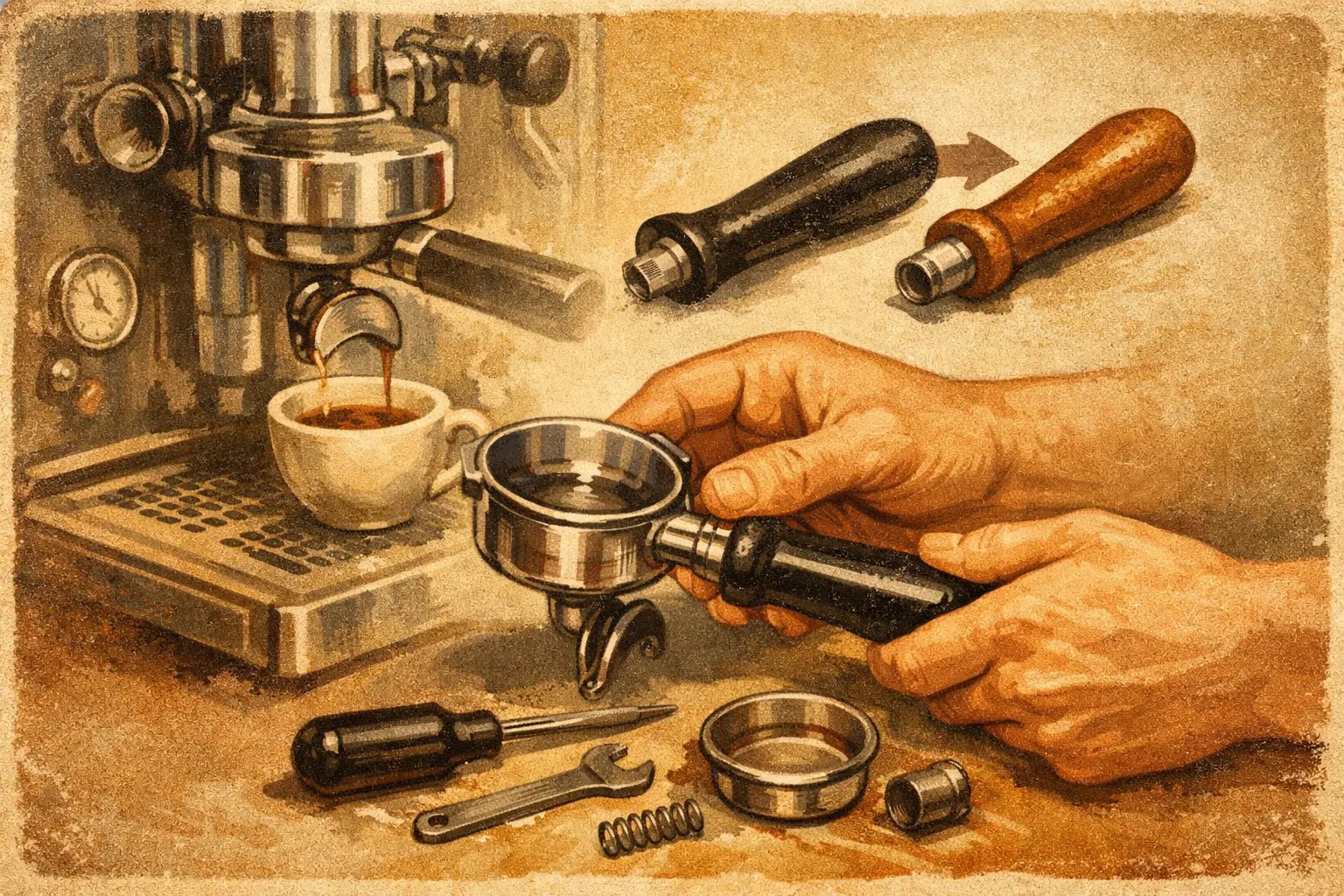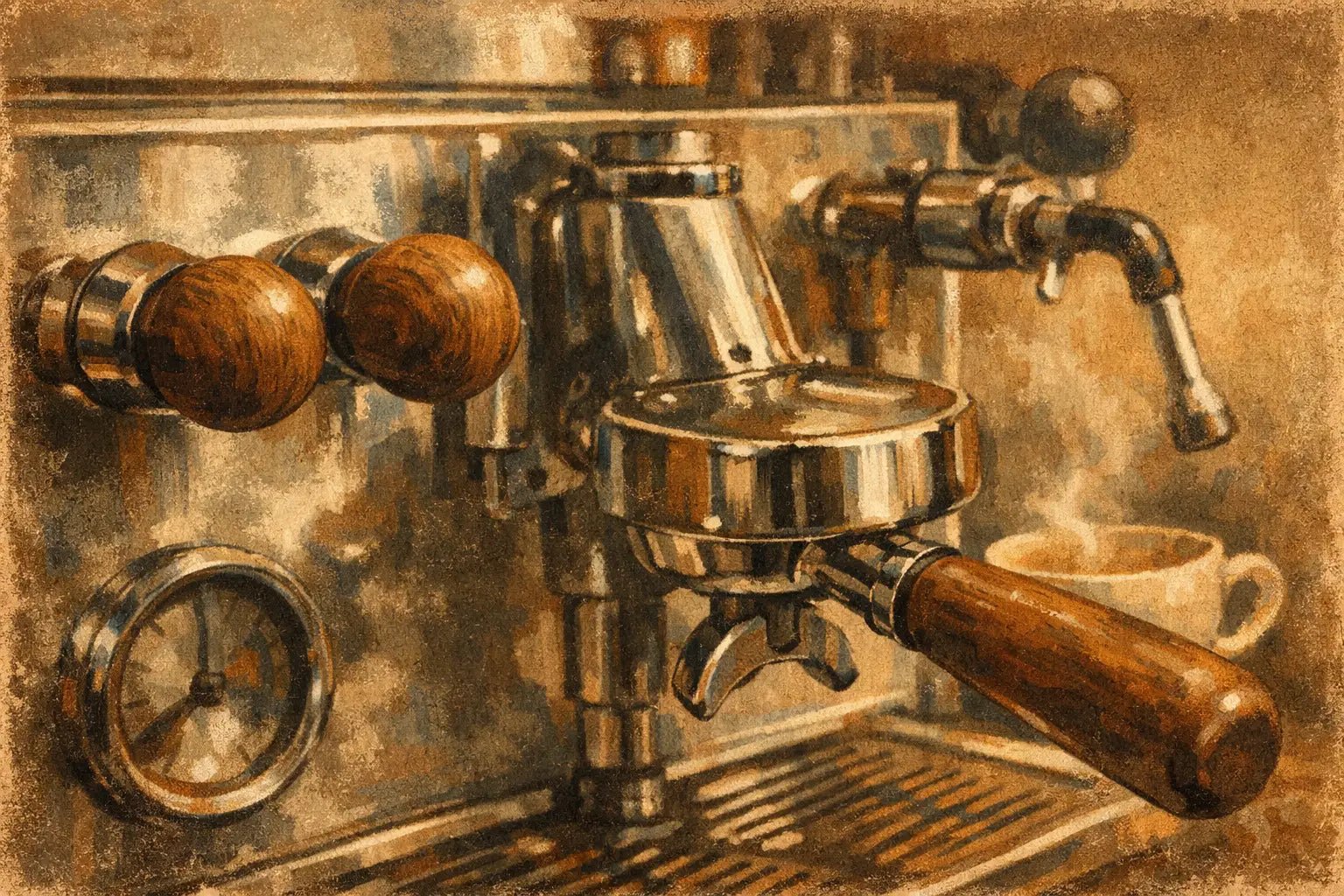
ECM Machine Wooden Knobs for a Better Feel
An ECM machine is built around serious brewing hardware, but the parts you touch every day shape the ownership experience just as much. ECM machine wooden knobs replace the cool, factory-standard feel of plastic or metal with a warmer, more personal point of contact - without losing the clean, precise character that makes ECM machines so satisfying to use.
For an enthusiast who has already dialed in a grinder, upgraded a tamper, and organized the coffee bar, wood details are not an afterthought. The right knob can make a steam routine feel more deliberate, bring the machine into the visual language of the rest of the setup, and turn a worn original part into a custom upgrade worth reaching for.
Why Upgrade to ECM Machine Wooden Knobs?
Wooden knobs change more than the appearance of an espresso machine. They change the tactile feedback at the start and end of every drink. A well-shaped wooden steam or hot-water knob feels comfortable in the hand, especially when you are opening the valve with damp fingers during a busy milk-drink routine.
There is also a practical reason to consider wood. Metal components can become uncomfortable around heat, while quality hardwood has a naturally less conductive surface. That does not make a wooden part heat-proof, and it should never be treated as insulation, but it can feel more pleasant during normal use.
The visual difference is immediate. Walnut brings depth and contrast to polished stainless steel. Lighter woods can make an ECM machine feel cleaner and more Scandinavian. Darker finishes pair naturally with black grinders, wood portafilter handles, and matching accessories on the counter. The best choice depends on whether you want the machine to stand apart or tie the entire espresso station together.
An upgrade is also a sensible option when an original knob is cracked, faded, loose, or no longer feels right. Replacing a small contact point can refresh the machine without changing the components that make it perform so well.
Fitment Comes Before Finish
The most common mistake with custom espresso machine parts is choosing by brand name alone. ECM has several machine families, and a part that fits one model or production generation may not fit another. The shape of the valve stem, mounting depth, set-screw location, thread arrangement, and overall clearance all matter.
Before ordering ECM machine wooden knobs, identify your exact machine model and inspect the original part. A clear photo of the existing knob and the connection area is often the fastest way to confirm what is needed. If the original knob is still installed, note whether it uses a visible side set screw, a central screw, a push-on fitting, or another mounting method.
This matters because a knob that looks nearly identical can still sit too far forward, rub against the case, fail to engage the valve stem correctly, or turn with unwanted play. Custom work should preserve the reliable, confident operation you expect from the factory control.
For uncertain fitment, direct communication with the maker is far more useful than guessing from a product photo. At NepoCoffee, custom requests can be discussed around the exact machine, existing hardware, preferred wood, and the finish you want across the rest of your setup.
Check the Knob’s Function, Not Just Its Size
A steam knob and a hot-water knob may appear similar, but they can experience different use patterns. Steam controls are often operated quickly, repeatedly, and with a firmer grip. That makes the outer profile especially important. A shape with enough purchase is easier to use than an overly smooth, decorative form.
Consider the direction of movement as well. If your preferred grip naturally pushes your fingers into the machine body or makes it hard to feel the valve position, a different profile may improve the workflow. The goal is not to make the machine look handmade at the expense of function. It is to make a familiar control feel better every time you use it.
Choosing Wood and Finish for Your Espresso Setup
Hardwood selection is partly aesthetic and partly practical. Dense hardwoods tend to be a strong choice for espresso accessories because they hold their shape well and offer distinctive grain. Each piece has natural variation, so two knobs in the same wood species will not look perfectly identical. That variation is part of what separates handcrafted parts from molded accessories.
Walnut remains a favorite for stainless ECM machines because its deep brown tones create an intentional contrast without looking flashy. It works particularly well when paired with a walnut portafilter handle, tamper station, dosing funnel accent, or grinder tray.
Lighter woods create a different effect. They can brighten a darker coffee station and pair well with pale cabinets or natural countertops. A lighter wood may show marks more readily over time, while a darker species can hide small changes in daily appearance. Neither is automatically better. It depends on the room, the rest of your gear, and how you want your coffee bar to age.
The finish deserves equal attention. A properly applied finish helps protect the wood from humidity, stray water droplets, and coffee residue while allowing the grain to remain visible. It should feel smooth in the hand, not thick, sticky, or overly glossy. A heavy film finish can look artificial and may make the control less pleasant to grip.
Care for Wooden Espresso Machine Parts
Wooden knobs are made for use, but they are not maintenance-free plastic. The care routine is simple: wipe the knob with a soft, lightly damp cloth when needed, then dry it promptly. Avoid soaking the part, leaving a wet towel against it, or spraying cleaners directly onto the wood.
Steam wand cleaner, descaler, and strong kitchen chemicals should stay away from finished wood whenever possible. These products are useful for maintaining the machine, but they are not designed for natural materials. If a cleaner splashes onto the knob, wipe it off right away.
Over time, wood may develop a slightly richer tone or a softer sheen from regular handling. That is normal. Small changes are not necessarily damage; they are part of a real material living alongside an espresso machine that gets used every day. If the surface begins to look dry after extended use, ask the maker what maintenance product is appropriate for that specific finish rather than applying a random oil.
Build a Coordinated ECM Upgrade
A single wooden knob can be a subtle replacement part. A matched set makes the coffee station feel intentional. Many ECM owners coordinate machine controls with a wood portafilter handle first, then add details such as a flow-control knob, cup rail accents, a bean hopper lid, or grinder accessories in the same wood family.
Matching does not require every item to have identical grain. In fact, a collection looks more natural when the color range is complementary rather than perfectly uniform. The better target is consistency of species, finish tone, and shape language. Rounded, hand-friendly forms on the machine pair well with similarly shaped portafilter handles and tamping accessories.
There is a trade-off to keep in mind. A full wood-accent conversion makes a strong visual statement, while a single upgrade keeps the factory character mostly intact. If your ECM machine is a centerpiece in a carefully designed coffee bar, a coordinated set may be the right move. If you simply want a more comfortable steam control or need a replacement, one custom knob can be exactly enough.
Questions to Answer Before Ordering
Start with the exact ECM model and, if possible, its production period. Then decide which control you are replacing and whether you need one knob or a matched pair. Photos of the original hardware, measurements when requested, and a note about your preferred wood make the custom process much more accurate.
Think about how the machine is used, too. A household making several milk drinks each morning may prioritize grip and durability. A machine used mostly for straight espresso may place more emphasis on visual coordination with the portafilter and grinder. Both are valid priorities, and a handcrafted part should support the way you actually make coffee.
A wooden knob is a small upgrade, but it is one you will notice at every shot, purge, and steaming session. Choose the fit carefully, choose a wood you will still enjoy years from now, and let the part earn its place through daily use.