Espresso Machine Upgrade Trends Worth Following
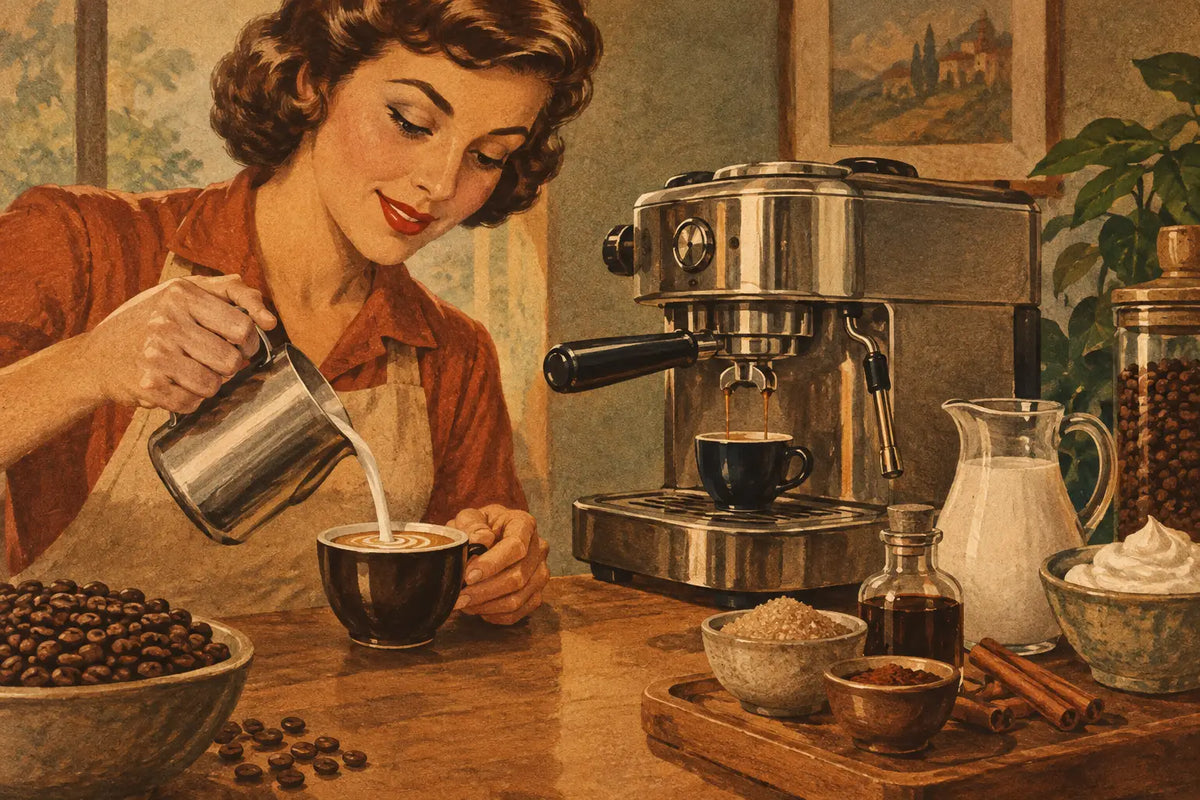
A stock espresso machine can make excellent coffee. But once you have settled into a daily routine, the small points of contact start to matter: the portafilter handle in your hand, the steam knob you turn, the tray where your tools land, and the way every dose enters the basket. The most useful espresso machine upgrade trends are not about adding parts for the sake of it. They are about making a favorite machine easier to use, more satisfying to own, and better suited to the person behind the bar.
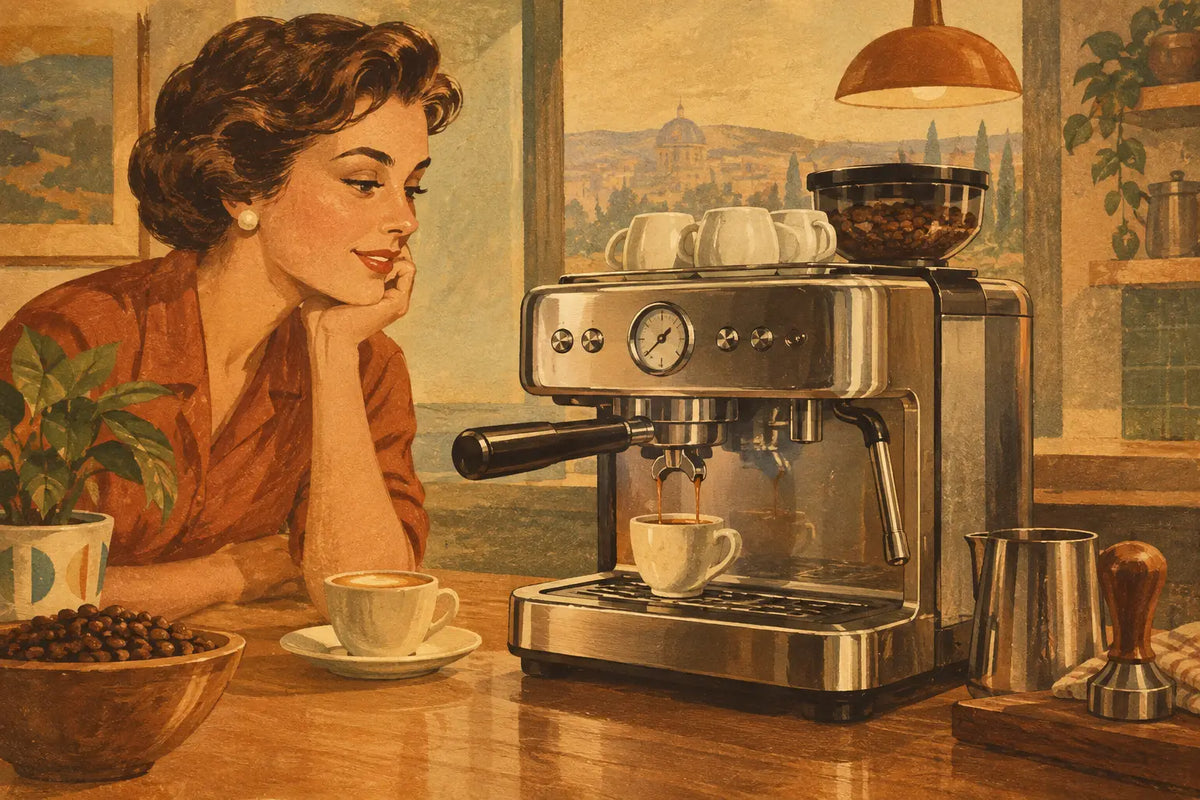
For prosumer owners, upgrades are increasingly personal. A home coffee bar is no longer hidden in a kitchen corner. It is a working setup that earns its place on the counter, which means function and finish need to work together.
Espresso machine upgrade trends are getting more personal
The biggest shift is away from generic accessories and toward machine-specific parts with a deliberate look. Owners of Breville, Lelit, Rocket, ECM, Profitec, Gaggia, La Marzocco, Bezzera, and similar machines are looking for upgrades that actually fit their model rather than a close-enough substitute.
That attention to fitment is practical. Thread size, shaft shape, portafilter compatibility, clearance, and mounting hardware all affect whether a replacement part feels right. A steam knob that looks beautiful but does not seat correctly is not an upgrade. Neither is a dosing funnel that interferes with the grinder chute or basket rim.
At the same time, espresso enthusiasts want their setup to feel less factory-standard. Natural wood brings warmth to stainless steel, black powder coat, and polished chrome. A matching portafilter handle, steam knob, and bean hopper lid can make a machine and grinder read as one considered station rather than a collection of separate appliances.
Wood accents are becoming functional, not just decorative
Wooden handles and knobs remain popular because they change the daily experience of using the machine. They add a comfortable grip, soften the visual weight of metal equipment, and develop character over time. The appeal is especially strong for owners building coffee bars around walnut, oak, maple, or darker espresso-toned finishes.
Still, material choice should match the job. A portafilter handle needs a solid connection and a shape that feels balanced when locking in. A steam knob needs enough grip to operate comfortably when the machine is hot and busy. A hopper lid should sit securely while being easy to remove during a refill. Good handcrafted pieces respect those working details instead of treating wood as a surface treatment.
Matching every component is not required. In fact, one or two wood upgrades can be more effective than covering every part. A wood portafilter handle and a complementary grinder tray may be enough to tie a setup together while keeping the machine’s original character intact.
Workflow tools are moving from optional to essential
The move toward lighter roasts and more precise dialing-in has made puck preparation tools a permanent part of many home espresso routines. The current trend is not simply owning more accessories. It is choosing tools that reduce mess, repetition, and unnecessary movement.
A dosing funnel is a good example. For single dosing or a grinder that throws grounds slightly wide, the right funnel keeps coffee in the basket and makes WDT less frustrating. A properly sized funnel should sit securely without blocking access to the puck, and it should suit the basket diameter and portafilter style you use.
WDT tools have also become more refined. Fine needles can break up clumps and distribute grounds before tamping, but the benefit depends on coffee, grinder, dose, and technique. If your grinder already produces fluffy, even grounds, an aggressive WDT routine may add little. If you are fighting clumps, channeling, or inconsistent shots, it can be one of the most affordable workflow improvements available.
Tamping accessories follow the same logic. A stable, well-made tamper and an organized tamping area help create repeatable preparation. They will not compensate for stale beans or a poorly dialed grinder, but they can remove avoidable variables from a process that rewards consistency.
Control upgrades are changing how people learn espresso
Flow control remains one of the most talked-about performance upgrades for capable machines. By adjusting water flow during a shot, home baristas can experiment with gentler preinfusion, longer blooming phases, or a declining flow near the end of extraction. It offers a hands-on way to explore how pressure and flow affect flavor.
It is also not a shortcut to better espresso. Flow profiling asks for patience, a good grinder, and the willingness to keep notes. On a busy weekday, many owners will still prefer a straightforward, repeatable recipe. The value of a flow control knob is the option to experiment when you want to, not the obligation to turn every shot into a project.
For machines that support this kind of modification, the knob itself deserves attention. It should be compatible with the machine’s existing assembly, comfortable to adjust, and easy to read by feel. A custom wood control knob can bring a more tactile, intentional experience to a technical upgrade.
Replacement parts are part of the upgrade conversation
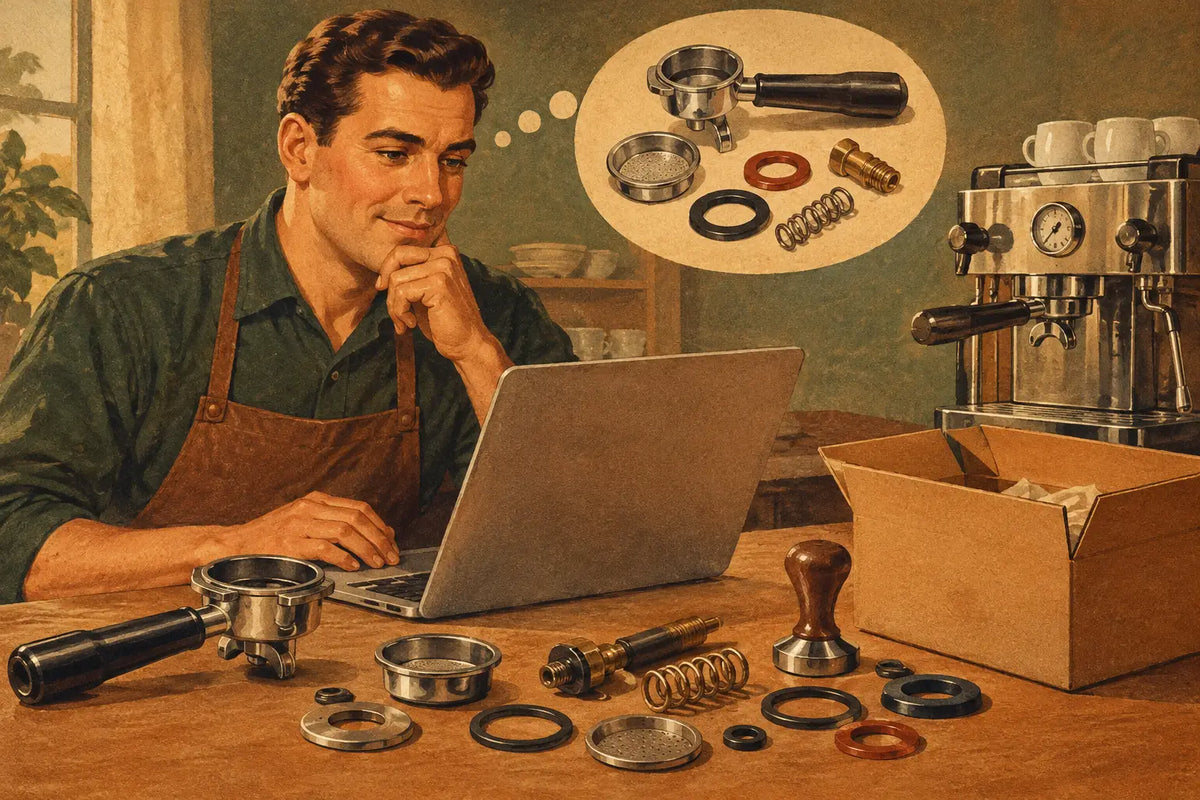
Not every improvement starts with a new accessory. Worn, cracked, faded, or missing parts can make an otherwise excellent machine feel neglected. Replacing a tired steam knob, damaged hopper lid, loose handle, or aging tray restores confidence in the setup and often improves usability immediately.
This is where model-specific knowledge matters most. Premium espresso machines can remain in service for many years, but their dimensions and hardware vary widely. Before ordering a replacement, confirm the machine brand, model, production version where relevant, measurements, and attachment method. A few minutes spent checking details is far better than receiving a part that is almost right.
For harder-to-find pieces or unusual configurations, custom work can be the sensible path. NepoCoffee specializes in handcrafted upgrades and replacement parts made with machine compatibility in mind, including custom requests for owners who need something beyond an off-the-shelf option.
The best upgrades improve the space around the machine
Espresso machine upgrade trends now extend beyond the machine body. Grinder trays, knock box surrounds, tamping stations, and tool holders help turn scattered gear into a usable workspace. This matters most in compact kitchens, where every inch of counter space has to earn its keep.
A grinder tray can catch stray grounds and give the grinder a more finished footprint. A designated place for a WDT tool, funnel, tamper, and dosing cup keeps the workflow moving in one direction: grind, distribute, tamp, brew. The improvement may sound modest, but it becomes obvious after a week of making coffee without hunting for tools or brushing grounds off the counter.
Choose accessories based on your real routine. If you make milk drinks for several people each morning, prioritize steam control, cleaning access, and fast tool placement. If you single dose and enjoy experimenting with straight espresso, a dosing funnel, WDT tool, and flow-focused setup may deserve more attention.
How to choose an upgrade without creating clutter
Start with the friction point you notice most often. Maybe the factory portafilter handle feels undersized, the steam knob is awkward, grounds spill while dosing, or the machine looks disconnected from the rest of your coffee bar. One well-chosen part usually has more impact than several impulse purchases.
Then check compatibility before choosing finish. Measure where necessary, identify your exact model, and consider how the new piece works with what you already own. If you are coordinating wood accessories, think about whether you want a close match or a complementary contrast. Walnut beside stainless steel creates a different effect than pale maple against a black machine.
Finally, leave room for the setup to evolve. Your workflow will change as you try new coffees, grinders, baskets, and brewing styles. The strongest home bars are not packed with every available accessory. They are built around the few parts that make each shot feel more natural, more repeatable, and more like your own.