Choosing a La Marzocco Paddle Knob
The paddle is one of the first things your hand reaches for and one of the most visible details on a La Marzocco machine. A well-chosen La Marzocco paddle knob can make that daily interaction feel warmer, more intentional, and better matched to the rest of your coffee bar. It is a small upgrade, but on a machine built to be used for years, small details carry real weight.
For home baristas who have already refined their grinder, tools, and espresso recipe, the paddle knob is not just decorative. Its shape affects grip, its material changes the feel of the workflow, and its fitment determines whether the upgrade feels factory-clean or becomes an unnecessary headache.
What a La Marzocco Paddle Knob Changes
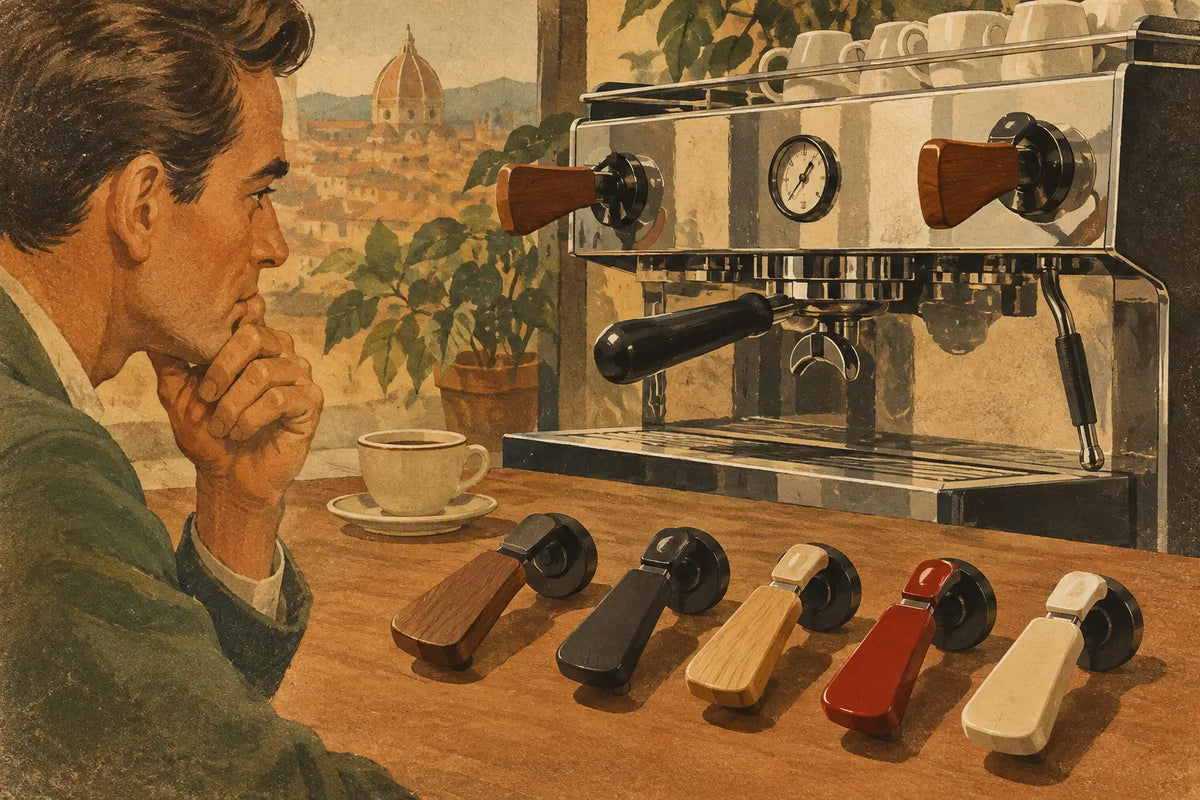
La Marzocco paddle machines are admired for their direct, tactile brew control. Depending on the machine and configuration, moving the paddle initiates the brew sequence and may give the user a more hands-on connection to pre-infusion and extraction. The knob is the part you touch, so its contour, finish, and temperature feel are worth considering.
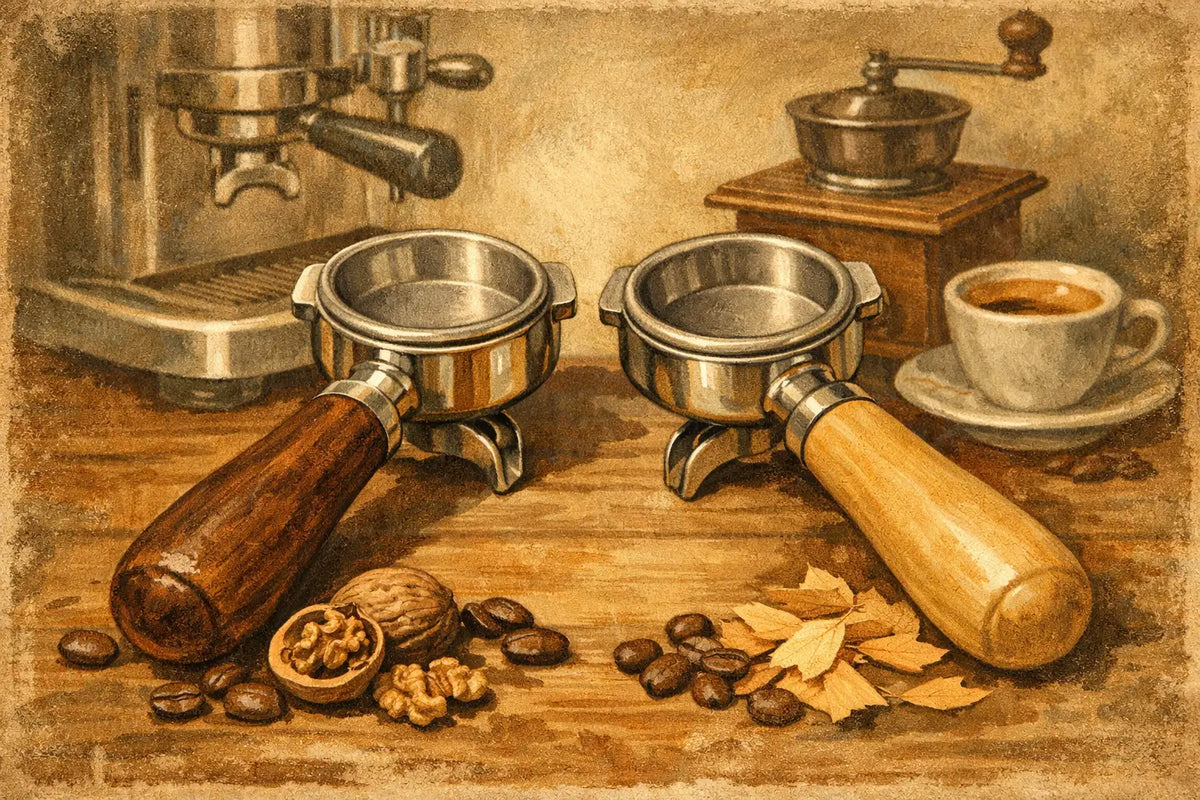
Wood is especially popular because it softens the industrial look of stainless steel. A walnut, maple, oak, or darker stained wood knob can tie the machine to a matching portafilter handle, steam knob, tamper station, or grinder accessories. It also brings a less clinical feel to a coffee station dominated by metal, glass, and plastic.
There is a practical side as well. A properly shaped knob gives your fingers a clear, comfortable place to grip. That matters when you are half awake, pulling several drinks for guests, or working around a machine positioned under cabinets. The best upgrade does not force you to think about it. It simply feels right every time you start a shot.
La Marzocco Paddle Knob Fitment Comes First
The most attractive knob in the world is not useful if it does not fit your machine correctly. La Marzocco has made several paddle-equipped machines over the years, and the attachment design can vary by model, production run, and whether the machine has been modified. Do not assume that a knob made for one La Marzocco platform will automatically fit another.
Before ordering a replacement or custom piece, identify the exact machine model and inspect the original paddle assembly. Look at how the existing knob is retained: it may use a screw, a threaded connection, a set screw, or a specific internal insert. Measure the relevant dimensions if the maker requests them, and take clear photos of the original part from the front, side, and attachment point.
This extra step is especially valuable for older machines, restored machines, and machines that have already received aftermarket upgrades. A custom accessory should preserve normal paddle movement and leave enough clearance around the group area. It should not rub the machine body, interfere with a panel, or place unusual leverage on the control mechanism.
Model names help, but photos help more
Giving a maker your machine model is a strong starting point. Sharing photos of the installed paddle and removed original knob is even better. It allows the piece to be built around the hardware actually on your machine rather than an assumption based on a product name.
This is where a specialist workshop is more useful than a generic furniture knob or an unverified marketplace part. Espresso-machine accessories need to look considered, but they also need to respect tight tolerances, repeated use, heat exposure, and the specific way the machine is assembled.
Choosing the Right Wood and Finish
A wood paddle knob is a functional object in a warm, humid environment. Species and finish both affect how it wears over time.
Walnut remains a favorite for a reason. Its deep brown color works naturally with stainless steel, black accents, and many kitchen finishes. It can look understated on a classic Linea-style setup or richly custom when paired with matching wood accessories. Maple offers a lighter, cleaner appearance that suits bright kitchens and minimalist coffee bars. Oak has visible grain and a more textured visual personality, while darker woods can create a dramatic contrast against polished metal.
Grain variation is part of handcrafted work. Two knobs cut from the same species will not look identical, and that is usually the point. Expect differences in tone, figuring, and small natural features. If you need your paddle knob to match existing wooden portafilter handles closely, provide a photo in natural light and communicate whether you prefer a lighter, warmer, or darker overall look.
The finish should be selected for touch as much as appearance. A good finish protects the wood from moisture and coffee splashes while keeping the surface pleasant to hold. High-gloss finishes can create a formal, polished look, but a satin or low-sheen finish often feels more natural in the hand and hides small fingerprints better. No wood finish is completely maintenance-free, however. Heat, water, oils, and cleaning chemicals are demanding over the long term.
Match the Knob to Your Coffee Bar, Not a Trend
The easiest way to make a custom part look out of place is to choose it in isolation. Step back and look at the equipment around your machine. Are your portafilter handles black, natural wood, or stainless? Does your grinder have walnut accents? Are your shelves dark wood, pale wood, or painted cabinetry?
A matching set creates a deliberate look, but it does not have to be perfectly identical. A walnut paddle knob can work beautifully with a slightly lighter walnut portafilter handle because natural wood already contains variation. What matters most is that the undertones agree. Cool gray-brown wood, orange-toned wood, and heavily red-stained wood can compete when placed side by side.
If you prefer a cleaner machine-first appearance, choose a compact shape and a finish that stays close to the original color of the wood. If the coffee bar is a focal point in your home, a more sculpted profile or a bolder species can become a signature detail. Neither approach is better. It depends on whether you want the upgrade to blend in or be noticed.
Consider grip before silhouette
Photos can make an oversized knob look impressive, but real use is the test. A knob should offer enough purchase for a controlled movement without feeling bulky. Rounded profiles are comfortable for most hands and naturally suit the classic design language of many espresso machines. More angular forms can make a strong visual statement, though sharp edges and very shallow gripping surfaces are less forgiving in daily use.
Think about your typical workflow. If you regularly pull shots with damp fingers after rinsing a portafilter or wiping the group, a shape with a little more tactile definition may be welcome. If several people use the machine, a neutral, easy-to-grip profile is usually the safest choice.
Installation: Protect the Machine and the New Part
Installing a La Marzocco paddle knob should be calm, clean work, not a rushed modification between shots. Turn the machine off, let it cool fully, and protect nearby panels with a soft towel. Use the correct tool for the original fastener and avoid forcing anything that does not release normally.
Keep original hardware organized as you work. If a custom knob includes a screw, insert, or other mounting component, confirm how it is meant to seat before tightening. The goal is secure attachment, not maximum force. Overtightening can damage wood, strip a fastener, crack a finish, or stress the paddle mechanism beneath it.
After installation, move the paddle through its normal range before turning the machine back on. Check that it returns and operates as expected, that there is no rubbing, and that the knob feels stable. If something feels misaligned, stop and verify the fitment rather than trying to compensate with extra torque.
For owners who are not comfortable removing control-area parts, it is perfectly reasonable to ask for installation guidance or use a qualified espresso technician. A premium machine deserves patient handling.
Caring for a Wooden Paddle Knob
Wooden espresso accessories age well when they are treated like wood rather than plastic. Wipe the knob with a soft, barely damp cloth when needed, then dry it promptly. Avoid soaking it, spraying cleaner directly onto it, or using harsh degreasers and abrasive pads.
Coffee oils and fingerprints are normal, especially on a frequently used paddle. Gentle cleaning is usually enough. If the finish begins to look dry after extended use, follow the care guidance provided for that specific piece instead of applying a random oil or wax. Different finishes react differently, and the wrong product can leave a sticky surface or change the color.
A handcrafted knob may develop subtle patina over time. That is not a defect. It is the record of a machine that is being used well, morning after morning.
A custom paddle detail works best when it is planned around your exact machine, your existing setup, and the way your hands move through a shot. If you are uncertain about compatibility, photos and measurements are always worth sending before custom work begins. At NepoCoffee, that maker-to-owner conversation is part of building an accessory that belongs on your machine, not merely near it.