Build a Custom Coffee Station That Works Better
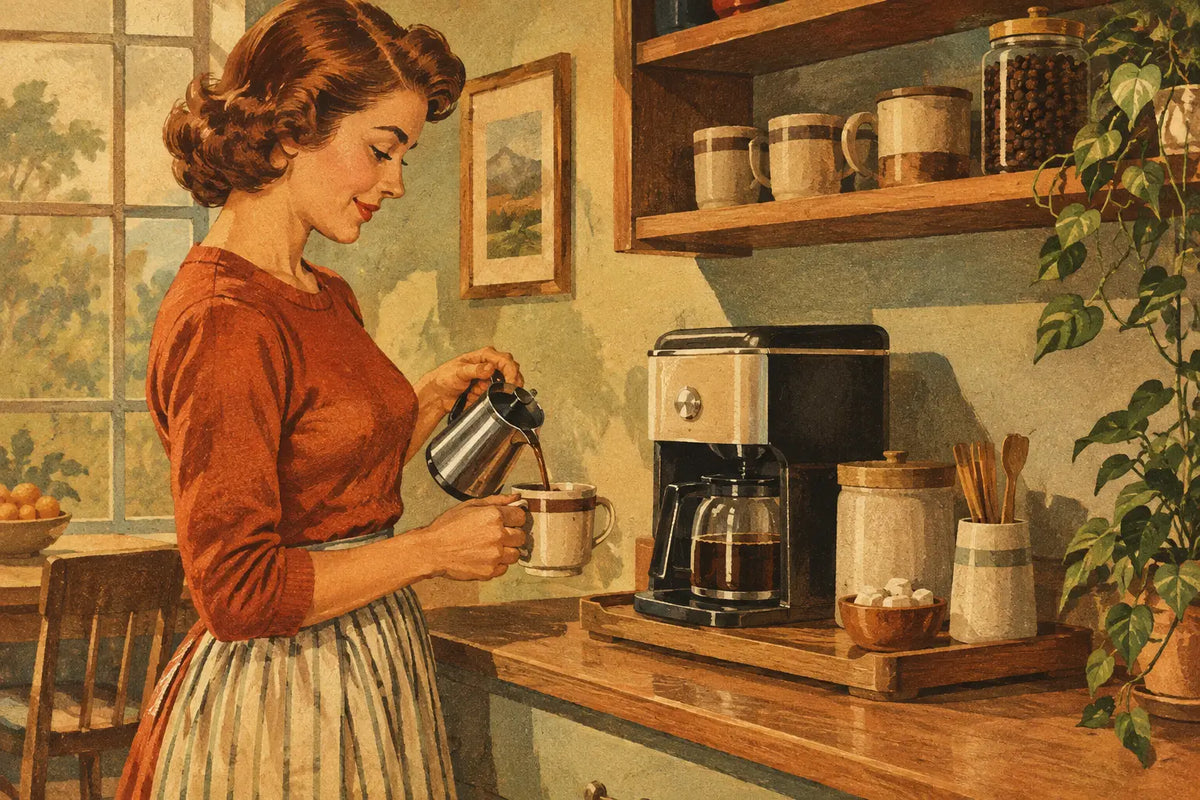
A great espresso setup should not feel like a daily scavenger hunt for a tamper, scale, dosing cup, or microfiber towel. A custom coffee station brings the machine, grinder, tools, and storage into one deliberate workspace - so your morning routine feels faster, cleaner, and more satisfying.
For serious home espresso owners, this is not only about matching wood tones or making a machine look better on the counter. The right station supports a repeatable workflow, protects expensive equipment, and gives every tool a practical place. Whether you run a Breville, ECM, Lelit, Rocket, La Marzocco, Gaggia, Bezzera, or Profitec setup, the details matter.
Start Your Custom Coffee Station With Workflow
Before choosing shelves, trays, or accessories, watch how you make espresso. Most home baristas move through the same sequence: weigh beans, grind, distribute, tamp, brew, steam, and clean. Your station should follow that order rather than forcing you to reach across the counter at every step.
Put the grinder close enough to the machine that you can move from dosing to tamping without turning around. Keep the scale, WDT tool, dosing funnel, and tamper within arm's reach of the grinder. Place your knock box and cleaning cloth near the espresso machine, where cleanup happens. Milk pitchers, steam towels, and thermometer tools belong on the steam-wand side.
This sounds simple, but it is where many attractive setups fall short. A coffee bar can look polished while slowing you down every morning. Start with function, then build the visual character around it.
Give the grinder its own working zone
The grinder is often the busiest part of a home espresso station. It needs room for weighing beans, catching grounds, adjusting the grind, and brushing away retained coffee. A dedicated grinder tray or mat helps define this zone while protecting the counter from scratches and scattered grounds.
If your grinder uses a single-dose workflow, leave space for a dosing cup, bellows, and bean storage. If you use a hopper, make sure there is enough clearance above it to remove the lid and refill comfortably. A shelf may look clean, but it becomes frustrating quickly if it blocks hopper access.
Choose Materials That Suit Espresso Use
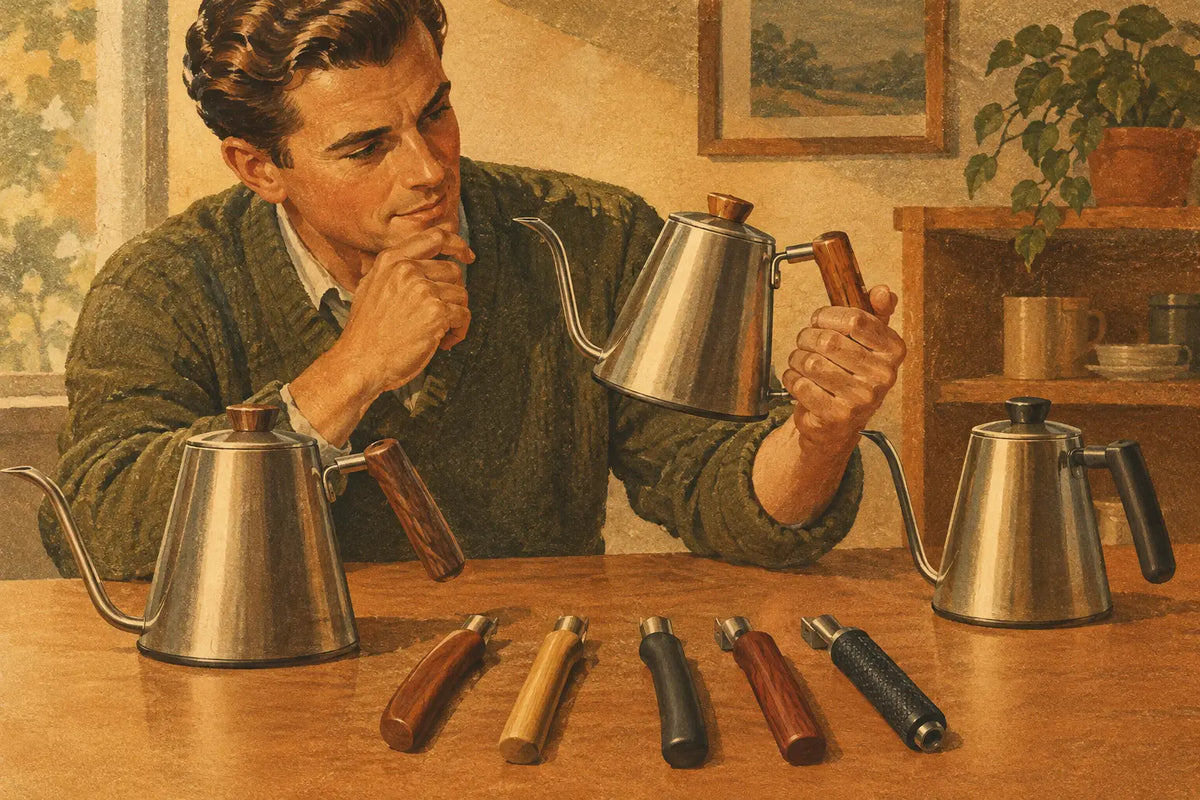
Wood is a natural choice for a custom coffee station because it brings warmth to the stainless steel, black powder coat, and chrome found on premium machines. It also creates an opportunity to coordinate smaller upgrades - portafilter handles, steam knobs, flow-control knobs, hopper lids, and tamping accessories - into one considered setup.
Still, espresso stations are working surfaces. Steam, water drips, coffee oils, and occasional puck debris are part of the routine. Choose a properly finished hardwood surface, wipe spills promptly, and use trays or mats where water collects. A beautiful wood station should be used, not treated like display furniture.
Color and grain deserve some thought as well. Walnut adds contrast against brushed stainless machines and lighter countertops. Maple feels clean and bright, especially in smaller kitchens. Darker stained woods can create a more dramatic bar look, but they may show dried water marks more easily. The best choice depends on your machine finish, cabinetry, and how much visual contrast you want.
Match upgrades without making everything identical
A coordinated setup does not require every piece to be the same wood species or finish. In fact, exact matching can look flat. It is usually enough to repeat one or two elements across the station: a wooden portafilter handle and a matching bean hopper lid, for example, or a steam knob that echoes the color of a grinder tray.
The goal is visual consistency, not a showroom set. Stainless accents, black tools, and a few well-chosen wood components often feel more refined than covering every surface in the same material.
Build Storage Around the Tools You Actually Use
Open shelves are useful for cups, pitchers, and neatly stacked saucers, but daily espresso tools need more intentional storage. A drawer near the grinder can hold spare baskets, cleaning brushes, blind baskets, puck screens, and microfiber towels. A small stand or holder keeps your tamper and distribution tools off the counter without burying them in a cabinet.
Avoid storing frequently used tools too far below the counter. Reaching into a deep drawer for your WDT tool every shot breaks the rhythm of a good workflow. At the same time, leaving every accessory visible can make even a large station feel cluttered. Keep the daily essentials out, and store maintenance tools and backups nearby but out of sight.
Coffee beans need similar consideration. Bags left open near heat or sunlight lose freshness faster and create visual noise. Use airtight containers in a cabinet, drawer, or shaded section of the station. If you like to rotate between coffees, label them with roast date and keep only the current bag at the grinder.
Plan for Machine-Specific Fitment
The best custom coffee station upgrades fit both your style and your equipment. This is especially relevant for replacement parts and wooden accessories, where a generic-looking component may not fit a specific machine correctly.
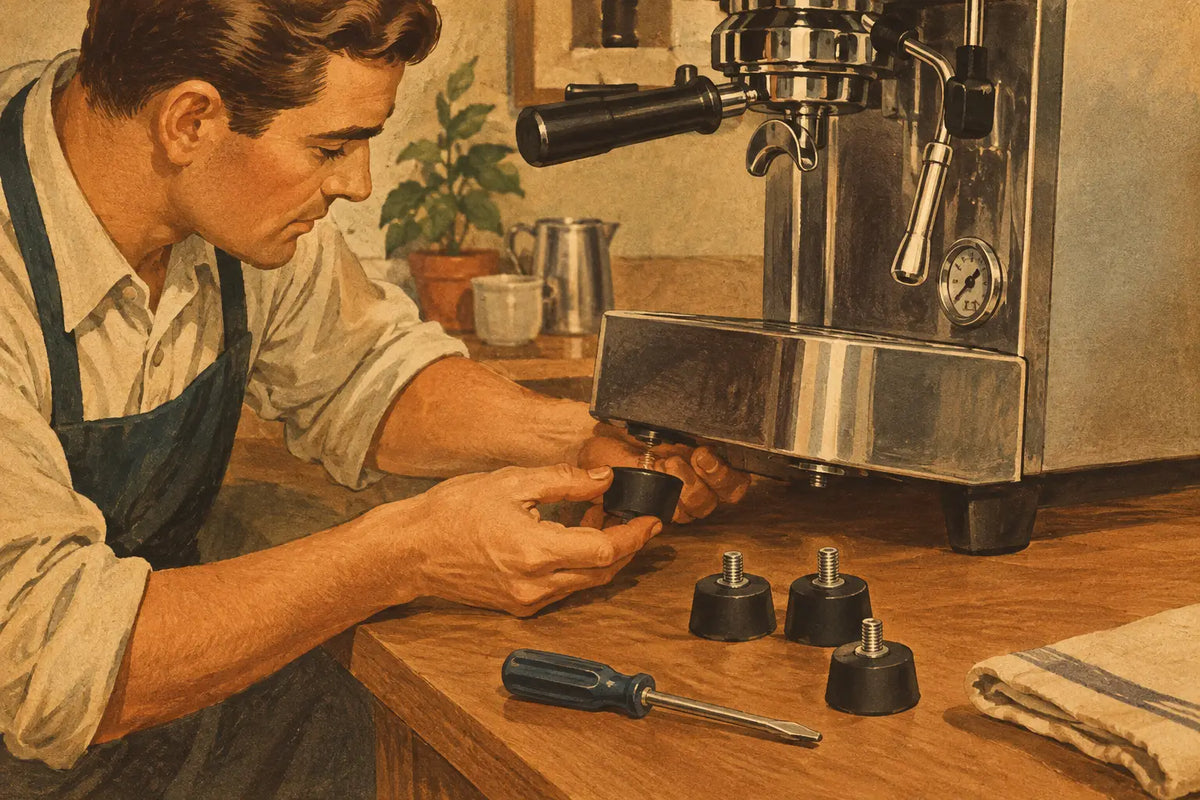
Portafilter handle threads, steam knob connections, hopper dimensions, and flow-control assemblies vary by manufacturer and sometimes by model generation. A part made for one Breville machine may not work on another. The same is true across ECM, Rocket, Lelit, Gaggia, and other prosumer brands. Check the exact machine model, measurements, and compatibility notes before ordering any upgrade.
This attention to fitment matters beyond appearance. A handle that sits correctly, a steam knob that turns with confidence, or a dosing funnel that matches your basket diameter makes the station feel finished because it improves the experience at the same time. NepoCoffee approaches custom work from that practical point of view: handcrafted pieces should belong on the machine, not merely sit beside it.
Leave room for maintenance
A coffee station is easier to enjoy when cleaning supplies are already part of the plan. Keep a group-head brush, backflush detergent, descaling supplies appropriate for your machine, and spare water filters within reach. You do not need to display them, but you should not have to search for them either.
Also consider access around the machine. You need space to fill the reservoir on machines without a plumbed water line, remove the drip tray, clean the steam wand, and open the top if needed. A tight alcove can look custom-built but make basic care unnecessarily difficult.
Get Lighting and Power Right
Good task lighting changes how a station works. Under-cabinet lighting helps you see the coffee bed while distributing grounds, read a scale, and spot a dirty drip tray before it becomes sticky. Warm light generally suits wood and creates a welcoming coffee-bar feel, while neutral white light can be better if precise visual checks are your priority.
Power placement deserves equal attention. Espresso machines and grinders draw meaningful current, particularly during heat-up. Use properly rated outlets, avoid overloading power strips, and keep cords away from water. If your station includes a kettle, consider whether the circuit can handle the kettle and espresso machine running at the same time.
A cable channel behind the equipment can make a major difference. It keeps cords from crossing the work area and gives the station the clean, intentional finish that open-counter setups often lack.
Let the Station Evolve With Your Coffee Habits
The first version of a custom coffee station does not need every accessory or permanent built-in feature. Start with the equipment you use every day, then notice what interrupts your workflow over a few weeks. You may realize you need a better tamping location, more room beside the grinder, or a dedicated home for cups and puck screens.
That gradual approach also helps you spend where it counts. A handcrafted portafilter handle or model-specific steam knob can make a favorite machine feel personal for years. A large cabinet project may be worthwhile if the espresso bar is central to your kitchen, but it is not required for a station that performs well.
Build the space around your actual ritual: the beans you reach for, the tools you use, and the machine you enjoy maintaining. When every component has a purpose and a place, making espresso feels less like setting up and more like getting started.